
Press ESC to close
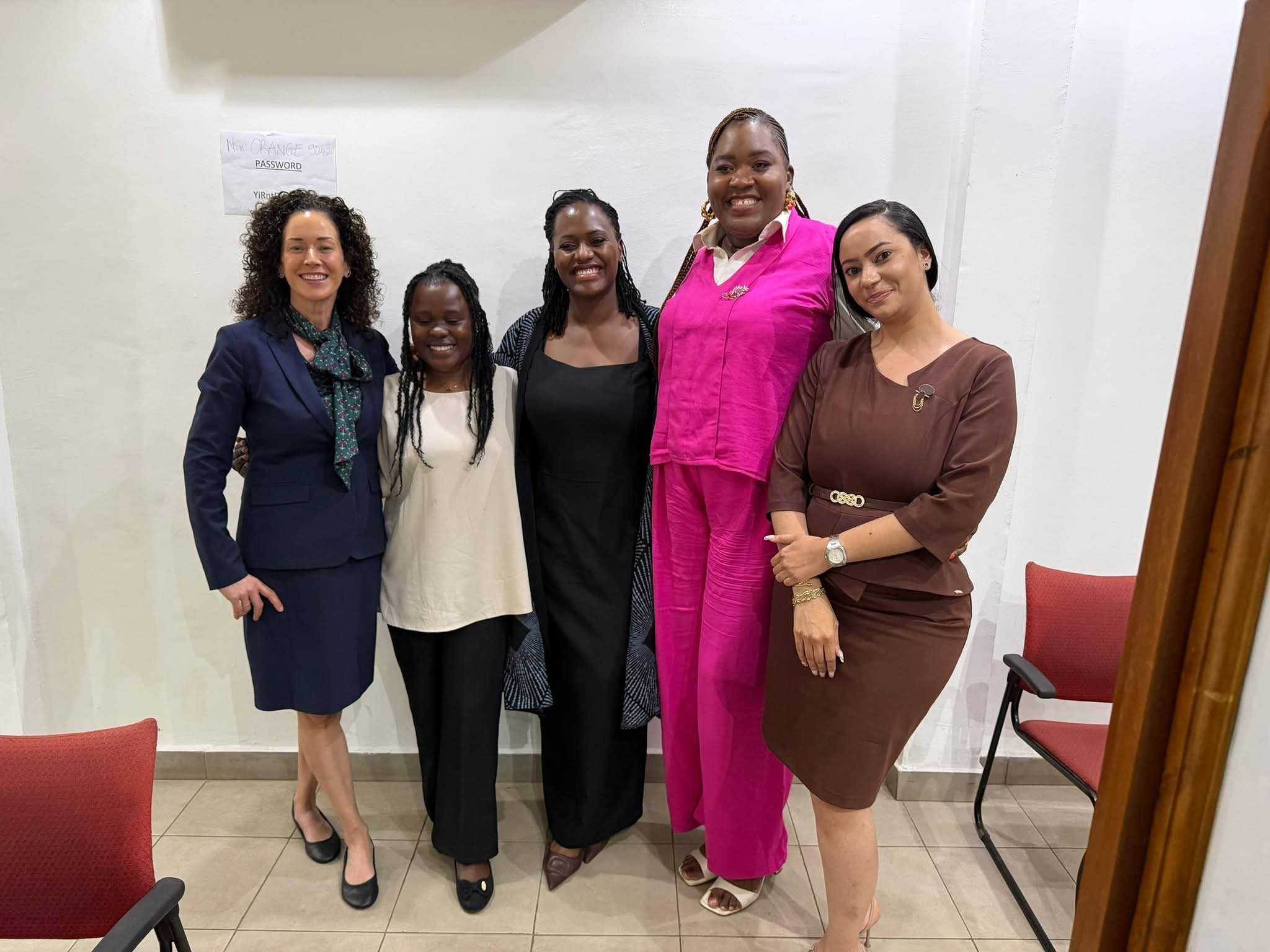
The participation of Africa Climate and Environment Foundation (ACEF) in the CAADP Kampala Declaration Workshop held in Yaoundé, Cameroon, from 11–13 March 2026, was more than an institutional invitation. It was a recognition of the growing role that civil society, and especially youth-centered organizations, must play in shaping the future of agriculture, food systems, and climate resilience in Cameroon and across Africa.

Convened by CAADP Non-State Actors (NSA), GIZ, and CARE Cameroon, the workshop created an important space for reflection, alignment, and action. At a time when Africa is moving from high-level commitments to country-level implementation, the Yaoundé gathering represented a critical step in translating continental ambition into national systems that can deliver measurable change for people. For ACEF, the moment carried both honor and responsibility: honor in being invited into such a strategic process, and responsibility in helping ensure that implementation is inclusive, practical, and grounded in the realities of communities most affected by climate stress and food insecurity.
To understand the significance of this moment, it is necessary to appreciate the wider continental framework within which the workshop took place. The Comprehensive Africa Agriculture Development Programme, known as CAADP, is the African Union’s flagship framework for agricultural transformation, food security, and inclusive growth. Established in the wake of the 2003 Maputo Declaration, CAADP was designed to increase public investment in agriculture, improve productivity, and strengthen policy coordination, accountability, and partnership across the continent. It has remained one of Africa’s most important policy vehicles for mobilizing governments, regional institutions, civil society, and the private sector around shared agricultural and food systems priorities.
The Kampala process marks the next major chapter in that journey. The Kampala CAADP Declaration on building resilient and sustainable agrifood systems in Africa, together with the CAADP Strategy and Action Plan for 2026–2035, signals a strategic shift in how agricultural transformation is understood and pursued. The new phase places stronger emphasis not only on production and growth, but also on resilience, sustainability, inclusion, coordination, and accountability. In other words, the question is no longer only whether Africa has a shared vision for agrifood systems transformation, but whether countries can build the institutional, financial, and social mechanisms necessary to implement that vision effectively.
That is why the Yaoundé workshop mattered. It was fundamentally about supporting Cameroon’s domestication and operationalization of the Kampala Declaration. Domestication, in this context, is not a technical word for filing continental commitments into national policy archives. It means translating those commitments into national priorities, investment choices, coordination mechanisms, monitoring systems, and delivery pathways. It means asking difficult but necessary questions: How will institutions work together? Which sectors must align? How will resources be mobilized? How will progress be measured? Who gets a seat at the table? And most importantly, how will implementation be experienced by the farmers, women, youth, food systems workers, and climate-vulnerable communities whose daily realities should be the ultimate test of policy success?

Across Africa, the Kampala implementation agenda is increasingly being framed around exactly these practical concerns. Current guidance emphasizes stronger coordination across sectors, the development of investment-ready plans, better diagnostics and analytics, and more credible systems for mutual accountability, results, and learning. It also recognizes that agrifood systems transformation cannot be managed by agriculture ministries alone. It requires alignment across climate, environment, trade, finance, nutrition, health, and local governance systems.
For Cameroon, this moment is especially consequential. The country faces a complex set of interlocking challenges: vulnerability to climate shocks, pressure on rural livelihoods, uneven access to agricultural finance and innovation, and the persistent need to create dignified opportunities for a young and growing population. Any meaningful domestication of the Kampala Declaration must therefore be more than a planning exercise. It must become a national process for building resilient food systems that work for those who are often excluded from policy attention or treated as an afterthought. This is where ACEF’s voice becomes especially relevant.
ACEF’s presence at the workshop reflects a wider truth: climate resilience and agrifood systems transformation cannot be separated. The communities most exposed to drought, erratic rainfall, land degradation, biodiversity loss, and market disruptions are often the same communities expected to sustain food production and rural economies. If policy frameworks do not address these overlapping realities, they risk becoming disconnected from the actual conditions under which implementation must take place. ACEF, by bringing climate and environment perspectives into food systems discussions, helps strengthen the integrity of the Kampala process in Cameroon. It reminds stakeholders that resilience is not an abstract aspiration; it must be designed into planning, financing, extension services, innovation systems, and local institutions.
Even more significant is the confidence placed in ACEF to serve as the representative organization for the CAADP Kampala Declaration Youth Constituency in Cameroon. This is not a symbolic appointment. It is a strategic mandate.
For too long, youth have been discussed in development spaces primarily as beneficiaries, targets, or vulnerable groups in need of support. Yet across Africa, young people are already farmers, agripreneurs, innovators, climate advocates, researchers, cooperative leaders, digital service providers, and community organizers. They are not waiting to be included in the future of agrifood systems; they are already building it. The deeper question is whether institutions are prepared to recognize youth as co-designers and co-implementers of transformation.
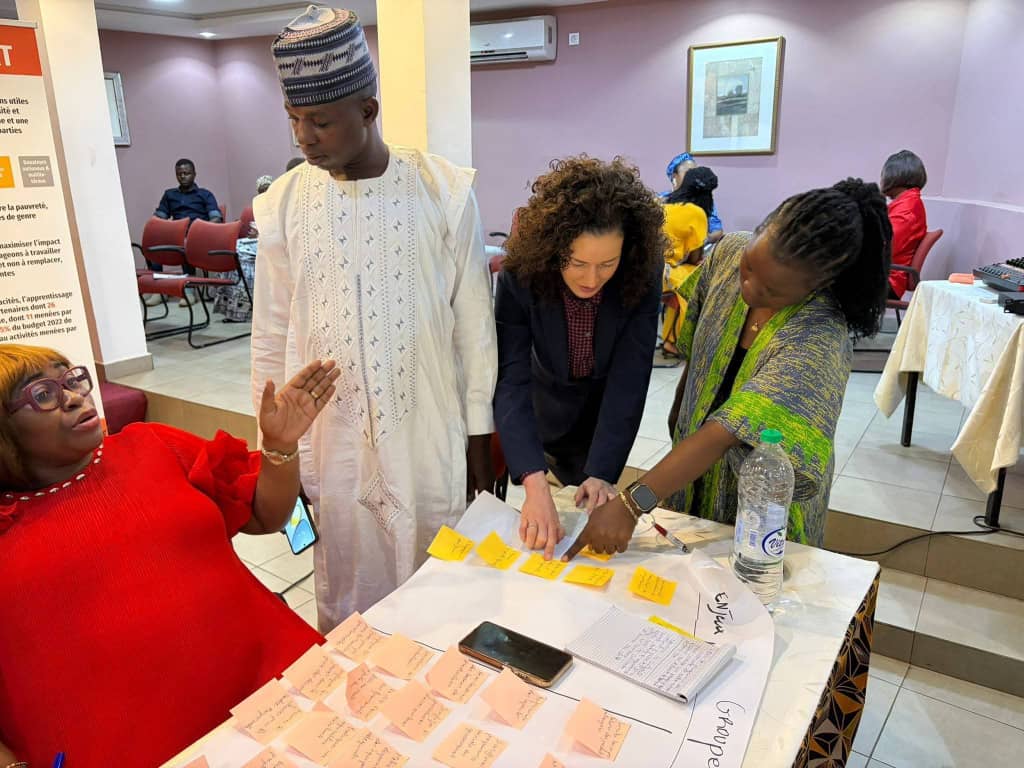
ACEF’s acceptance of this mandate with humility and resolve sends a timely message. Youth inclusion must move beyond event participation and rhetorical recognition. It must become structural. It must be embedded in the places where real decisions are made: coordination platforms, investment plans, policy dialogues, monitoring frameworks, financing mechanisms, and resourcing decisions. If youth are only invited to speak but not empowered to shape budgets, priorities, and systems, then inclusion remains performative rather than transformative.
That is why ACEF’s stated commitment is so important. Amplifying youth priorities is not simply about representation. It is about ensuring that national implementation pathways reflect the actual barriers and opportunities facing young people in agrifood systems. These include access to land, access to affordable finance, quality skills development, technology and innovation pathways, climate-smart production systems, market access, and enabling regulatory environments. Without addressing these fundamentals, discussions about youth engagement risk becoming detached from the material conditions that determine whether young people can participate meaningfully in agrifood transformation.
At the same time, ACEF’s emphasis on collaboration across youth-led and youth-serving organizations points to another crucial lesson. No single institution can carry the youth agenda alone. The scale of the task requires coalition-building, shared learning, and stronger ecosystem thinking. It requires building bridges between grassroots youth organizations, producer groups, academic institutions, development partners, government agencies, and private sector actors. A constituency only becomes influential when it is organized, informed, and connected. ACEF’s role, therefore, is not only to speak for youth priorities, but also to help convene the relationships through which those priorities can shape national implementation.
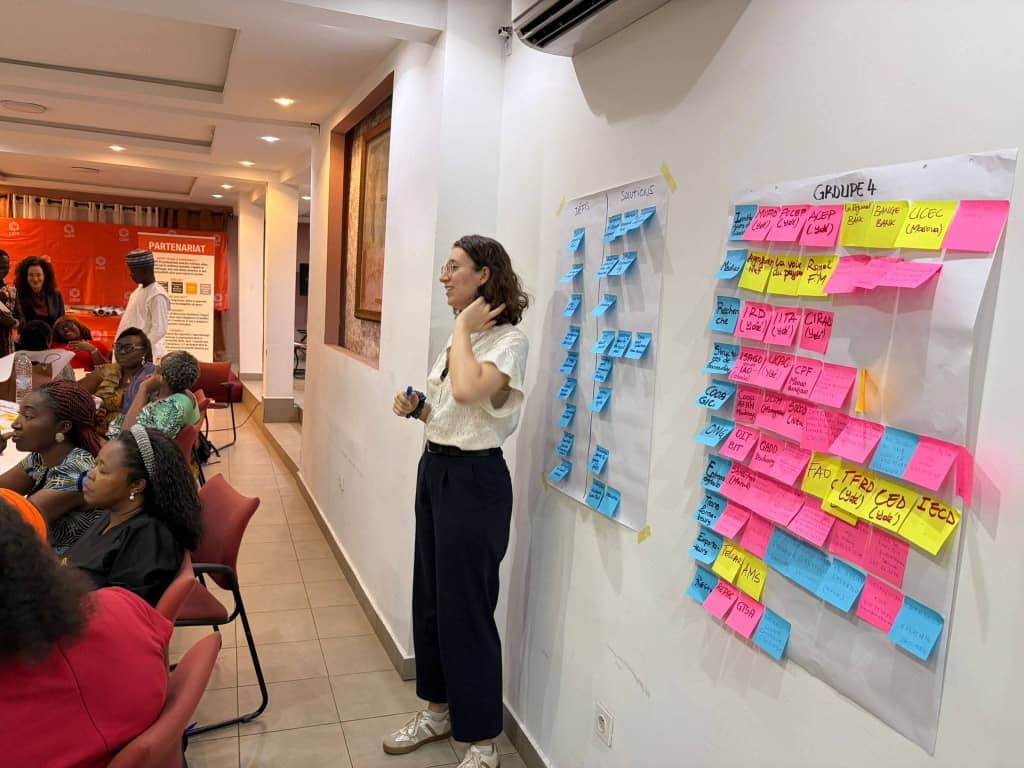
The workshop in Yaoundé also carries significance because it sits at the intersection of policy and accountability. Africa has seen many strong declarations over the years. What often determines success, however, is not the quality of the declaration alone, but the seriousness of follow-through. The Kampala era must be judged not by the elegance of its language, but by the credibility of its implementation. Are institutions coordinating more effectively? Are national investment plans becoming more inclusive and more realistic? Are data systems being used to support better decisions? Are farmers better supported? Are climate risks being integrated into planning? Are youth gaining real access to opportunity? Are communities noticing the difference?
These are the questions that matter.
And this is why the standard proposed by ACEF is exactly the right one: implementation that communities can feel.
It is a powerful phrase because it resists the temptation to confuse activity with impact. Communities can feel implementation when extension services improve, when access to inputs becomes more reliable, when roads and markets function better, when youth enterprises can access finance, when women farmers are recognized in land and investment systems, when climate information reaches producers in time, when local organizations are included in planning, and when rural households experience greater stability in the face of shocks. In short, communities can feel implementation when policy is no longer distant.
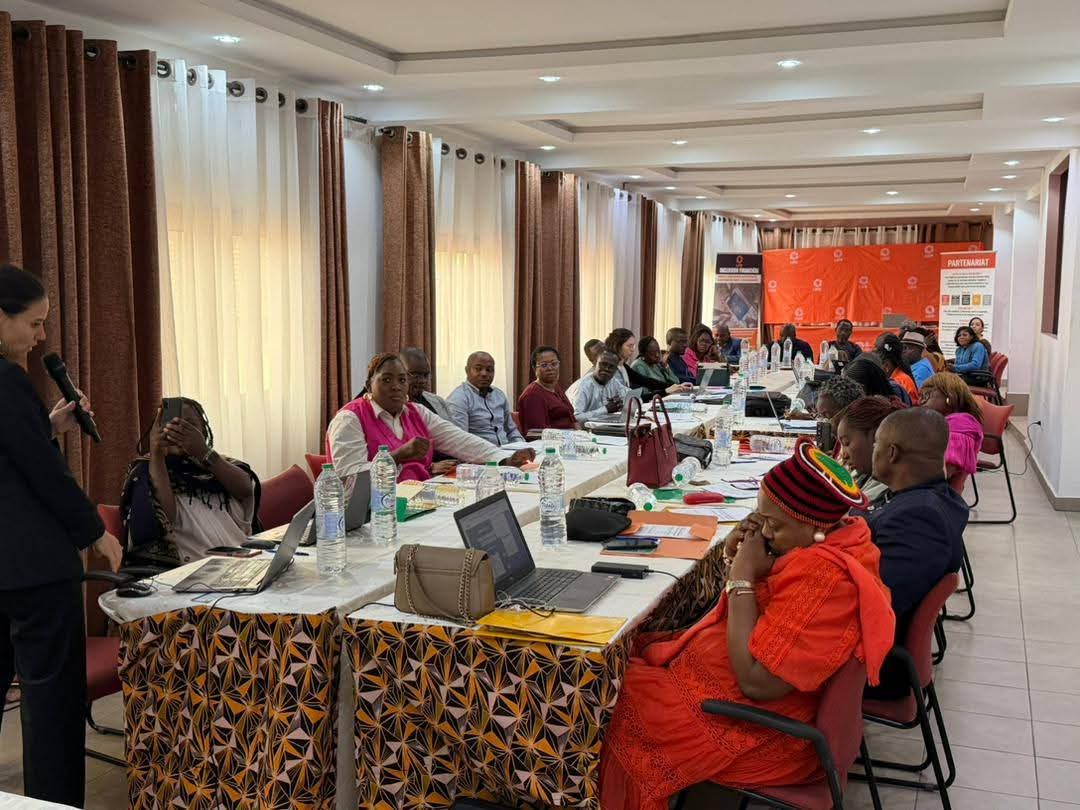
As Cameroon moves forward in domesticating the Kampala Declaration, the role of partnerships will be decisive. Government institutions will need to work in closer coordination with civil society, development cooperation actors, research institutions, local communities, and private sector partners. This is not optional. The Kampala framework itself places increased emphasis on cross-sector coordination, investment readiness, and mutual accountability because resilient agrifood systems depend on connected institutions rather than isolated interventions. Source
In that sense, the invitation extended to ACEF was not merely ceremonial. It reflects a broader recognition that successful implementation in this new era will depend on the quality of engagement between state and non-state actors. Youth, civil society, and community-based actors must not be peripheral to the process; they must be part of its architecture.

The road ahead will require discipline, persistence, and political will. It will require moving from broad declarations to costed plans, from consultation to co-ownership, from fragmented efforts to coherent systems, and from temporary enthusiasm to institutional commitment. But if this transition is taken seriously, Cameroon has an opportunity to demonstrate what meaningful domestication of continental policy can look like: nationally grounded, socially inclusive, climate-aware, and accountable to people.
For ACEF, the moment is both a milestone and a mandate. It is a milestone because it affirms the organization’s growing relevance in shaping conversations at the intersection of climate, youth, and agrifood systems. It is a mandate because it calls ACEF to help ensure that youth priorities are not appended to the margins of implementation, but built into its center.
The Kampala Declaration era is now underway. Its success will not be measured by how often it is referenced in speeches, but by whether it changes the conditions under which communities live, farm, work, and adapt. If this era is to mean anything, it must produce systems that are more resilient, institutions that are more responsive, and opportunities that are more inclusive. And in Cameroon, that work has already begun.