Press ESC to close
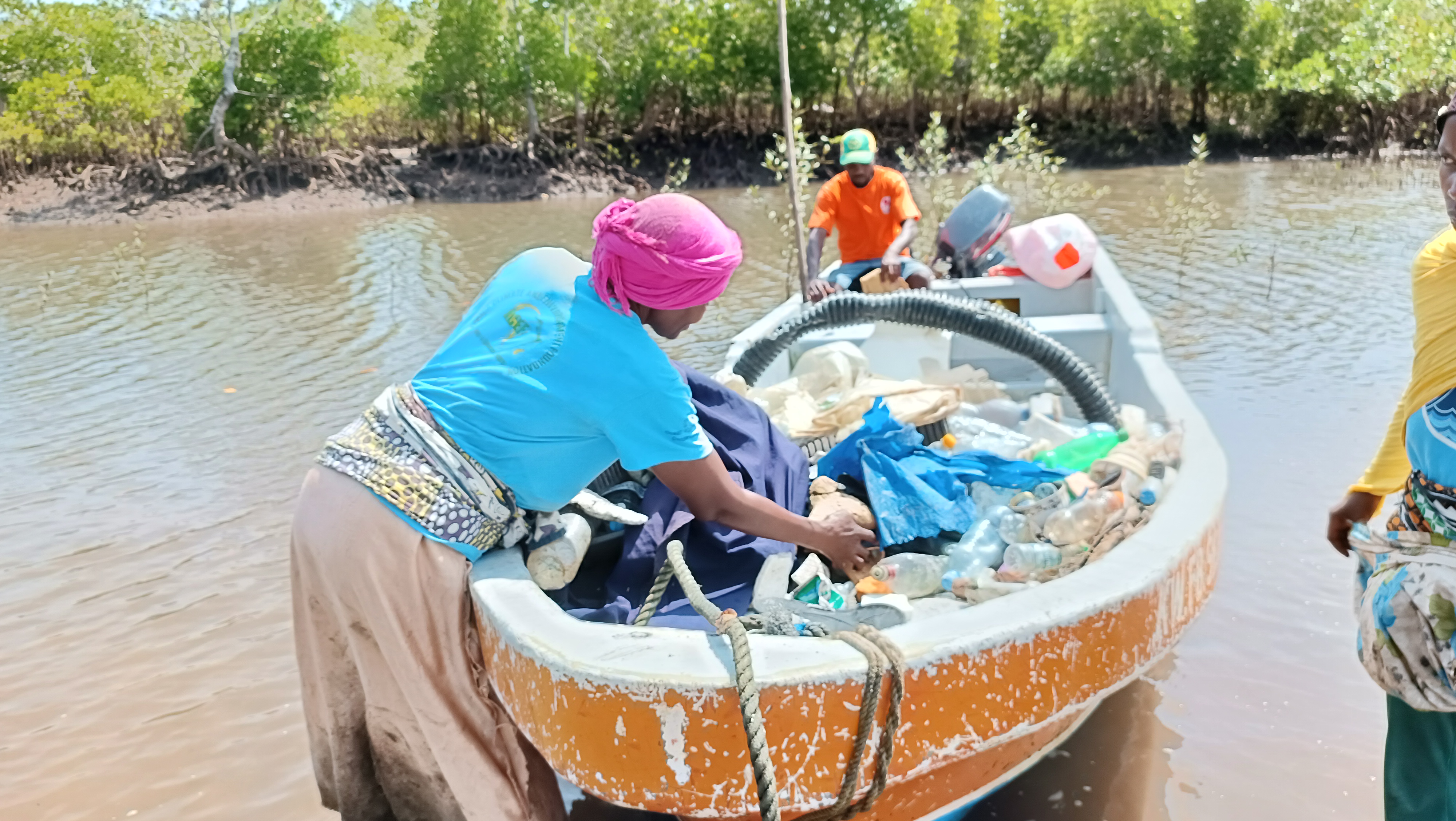
Plastic pollution has emerged as one of the most pressing environmental threats across Africa. Although the continent produces a relatively small share of the world’s plastics, the mismanagement of plastic waste and its environmental consequences are significant — affecting watersheds, coastlines, food systems, and human health. Africa’s challenge illustrates how limited waste infrastructure, rising consumption, and rapid urbanization combine to produce persistent pollution.
Plastic Production & Waste in Africa
Africa accounts for roughly 5 % of global plastic production and 4 % of global plastic consumption, but this proportion does not capture the severity of its waste management challenge. Growth in single-use plastics, especially in urban and peri-urban areas, is increasing environmental burdens (World Health Organization Regional Office for Africa (WHO AFRO, 2023; UNEP)
Across the continent, plastics are steadily rising in both production and waste: Sub-Saharan Africa produces significant amounts of plastic; major producers include South Africa (1,410 kt), Nigeria (513 kt), and Ethiopia (386 kt) as of recent estimates, with consumption projected to grow dramatically over the coming decades.
By 2030, the volume of plastic waste generated in Africa could double from current estimates, reaching as high as 165 million tonnes if trends continue unchecked. Despite this growth, waste management systems remain critically under-developed across much of the continent, resulting in widespread mismanagement and leakage into the environment.
Mismanaged Plastic Waste & Environmental Leakage
One of Africa’s most serious challenges is that the vast majority of plastic waste is not properly collected, sorted, or processed: In 2015, Africa generated an estimated 19 million tonnes of plastic waste, of which about 17 million tonnes were mismanaged, meaning it was dumped, burned, or otherwise released into the environment rather than being safely collected or recycled.
In coastal West Africa alone, six coastal countries generated approximately 6.93 million tonnes of plastic waste in 2018, a significant portion of which (over 80 %) was poorly managed, increasing the likelihood of it entering the ocean.
The consequences of mismanagement are stark: plastic waste flows into rivers, accumulates on beaches, clogs drainage systems, and infiltrates food chains. In Senegal, high abundances of microplastics have been documented in coastal sediments -with some sampling stations showing nearly one million particles per square kilometre of microplastic pollution.
Moreover, large African rivers like the Niger and the Nile are significant conveyors of plastic pollution into global oceans, with these waterways collectively contributing a large proportion of the plastic that reaches marine environments.
Microplastics: The Invisible Threat Spreading Across Ecosystems
Once in the environment, larger plastic items break down into microplastics, fragments smaller than 5 millimetres, and nanoplastics even tinier particles that can enter cells and tissues.
The presence of microplastics in African environments is increasingly well-documented: In South Africa, studies report that over 80 % of freshwater sources contain microplastics, with some urban rivers having up to 10,000 particles per cubic metre. Coastal sediments show microplastic presence in over 90 % of samples collected. These pervasive particles pose risks to aquatic life and can move up food chains, entering fish and other edible species, and potentially impacting human health.
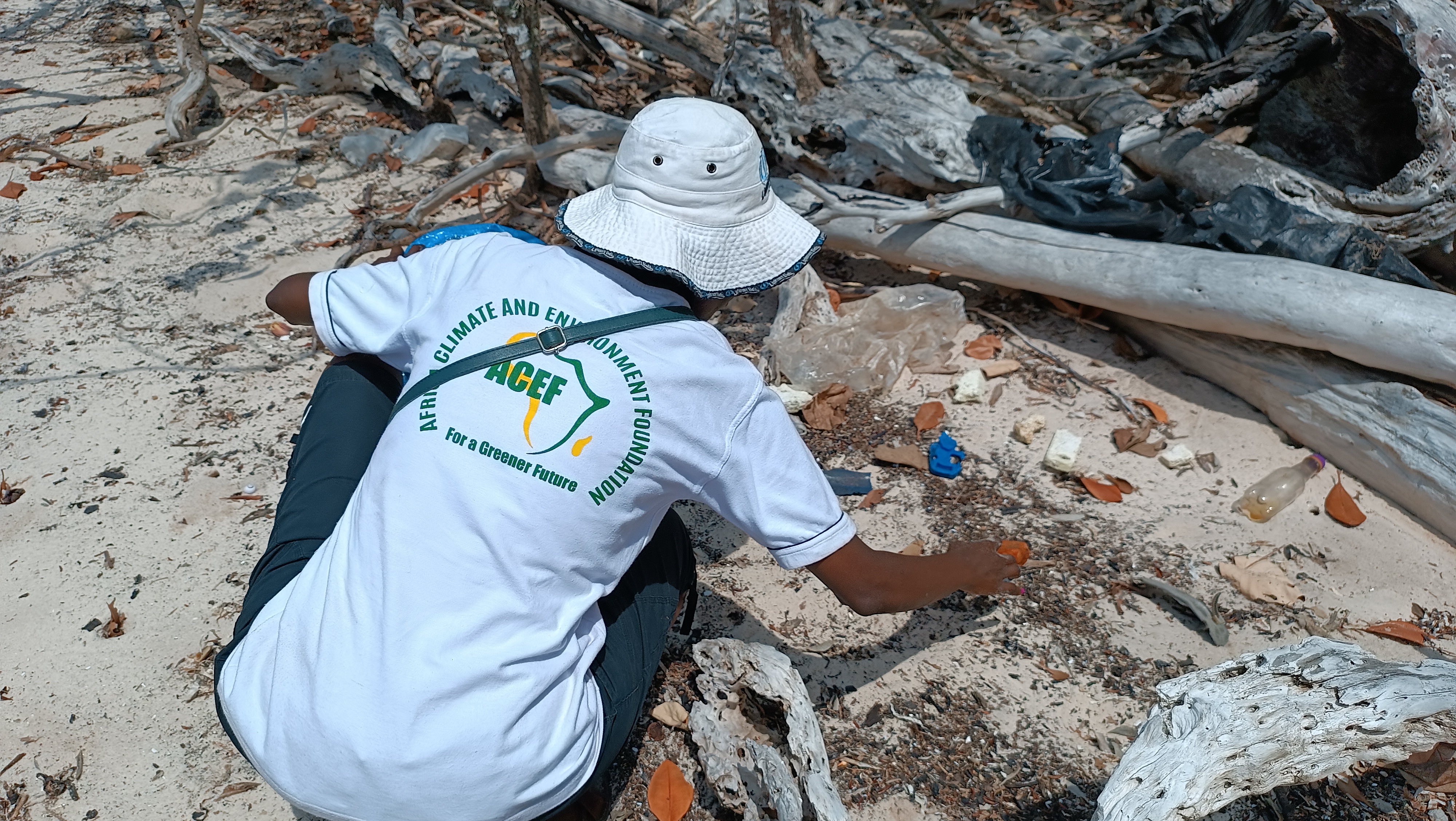
Microplastics assessment along the beach, Kenya
Public Health & Socio-Environmental Impacts
Plastic pollution affects health in multiple ways. According to WHO’s Regional Office for Africa: Plastics often contain harmful additives and toxic chemicals that can leach into soil, water, and food supplies, potentially causing endocrine disruption, developmental issues, or increased cancer risk. Improper disposal prpractices, including open burning, release toxic gases and particulate matter that contribute to respiratory diseases and air pollution-related illnesses.
In many parts of Africa, poor waste disposal also creates breeding grounds for disease-carrying mosquitoes and other vectors, contributing to malaria and other infectious diseases. These health risks compound existing public health burdens in regions with limited access to medical care or environmental monitoring systems — making plastic pollution a significant but often overlooked health threat.
Economic Impacts & Development Challenges
The economic costs of plastic pollution in Africa are also significant: In coastal West Africa, the external economic costs of marine plastics — including impacts on fishing, tourism, and coastal property values, are estimated between $10,000 and $33,000 per tonne of plastic waste.
These costs affect national development priorities, especially in countries where tourism, fisheries, and coastal livelihoods are vital to local and national economies. In island locations such as Cabo Verde and the Seychelles, plastic waste is recognized as a major threat to tourism and sustainable economic growth.
Structural Barriers and Policy Gaps
Across Africa, several structural barriers impede effective management of plastic pollution: Limited infrastructure for collection, sorting, and recycling means less plastic enters formal recovery streams and more ends up being dumped or burned. Regulatory frameworks are inconsistently enforced, with many countries lacking the capacity to implement bans or incentives for waste reduction.
Population growth and urbanization continue to accelerate consumption and waste generation, outpacing the development of sustainable waste systems. Despite efforts to ban specific plastic products (e.g., plastic bags), enforcement remains weak in many jurisdictions without supporting infrastructure or economic incentives for alternatives.
Opportunities and Emerging Solutions
While the challenge is vast, there are emerging opportunities to mitigate plastic pollution across the continent: Investment in circular economy strategies, including increased recycling, waste-to-product enterprises, and extended producer responsibility, can prevent plastic waste from entering the environment and create economic value.
Regional cooperation and harmonized policies can elevate the effectiveness of national actions, especially for transboundary issues like river and marine pollution. Community-driven innovation and informal recycling sectors which play a large role in waste recovery , can be integrated into formal systems to scale impact while improving livelihoods.
A Continental Call to Action
Plastic pollution in Africa represents a complex, multi-layered crisis that spans environmental degradation, public health risks, and socio-economic impacts. Although the continent contributes a relatively small share of global plastic production, the effects of mismanaged waste are disproportionately high due to weak infrastructure, regulatory gaps, and rapidly growing consumption.
To transform this crisis into an opportunity for sustainable development, Africa must prioritize investments in waste management systems, enforce effective regulatory frameworks, and elevate community-based solutions into national and regional strategies. This approach will not only protect ecosystems and human health but also create green economic opportunities across the Africa continent.