Strategic Partnership
Apr 03, 2026
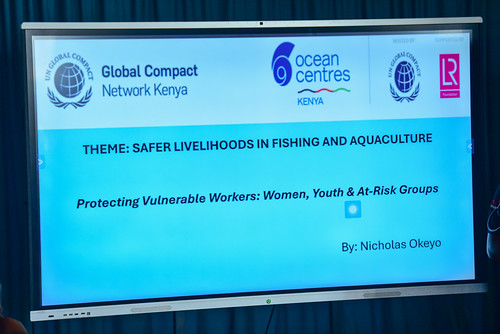
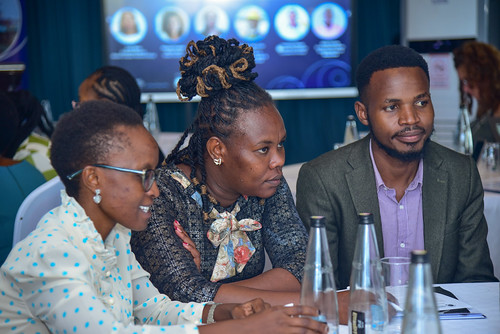
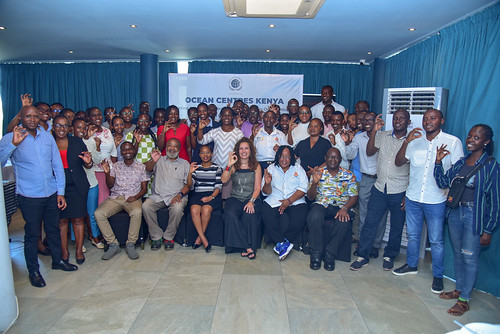
On 26th February 2026, the Africa Climate and Environment Foundation (ACEF) had the privilege of participating in the Safe Livelihoods in Fishing and Aquaculture Workshop convened by Ocean Centres Kenya and hosted by Global Compact Network Kenya in Mombasa. The workshop brought together regulators, researchers, conservation practitioners, and community leaders, all united by a shared commitment to advancing safety, dignity, and sustainability within coastal livelihoods.
These conversations were particularly meaningful because they closely reflect the lived realities of fisherfolk communities we work alongside across the Kenyan coastline, from Kwale and Mombasa to Kilifi. Through our community-based programs in marine conservation, ocean literacy, and sustainable livelihoods, we have witnessed firsthand both the resilience and the risks that define life within small-scale fisheries.
Just as importantly, spaces like this workshop play a critical role in amplifying the voices of young people and women working within coastal economies. Across many coastal communities, youth and women are increasingly stepping into roles as innovators, conservation leaders, processors, traders, and aquaculture practitioners. Yet, they are often underrepresented in decision-making platforms that shape fisheries policy and safety standards. Inclusive forums such as this create opportunities for them to engage with policymakers, share lived experiences, access knowledge, and contribute to shaping solutions that affect their livelihoods and futures.
One of the strongest messages that emerged from the workshop was the reality that fishing remains one of the most hazardous occupations in the world, particularly in small-scale fisheries that dominate the Western Indian Ocean region.
According to the Food and Agriculture Organization (FAO), an estimated 32,000 fishers lose their lives every year, with many fatalities linked to drowning, vessel-related accidents, and extreme weather conditions. These risks are amplified in many coastal communities where basic safety equipment such as life jackets, navigation tools, and communication devices remain either unavailable or unaffordable.
This reality is familiar to many fisherfolk communities along Kenya’s coast, where fishing often takes place in small wooden vessels and traditional dhows, sometimes without adequate safety infrastructure. For many families, fishing is not only a profession but also a lifeline that sustains food security, household income, and cultural identity.
Beyond fatalities, fisherfolk face a wide range of daily occupational hazards. These include injuries from fish spine punctures, cuts from fishing gear, and long-term physical strain from hauling nets and traps. In many coastal landing sites where ACEF works with communities, fisherfolk often spend long hours at sea under intense sun exposure, increasing the risk of dehydration, skin conditions, and eye-related problems caused by constant reflection from saltwater surfaces. Studies suggest that nearly one in three fisherfolk experience occupational illnesses, including musculoskeletal disorders linked to heavy manual labor and prolonged working hours.
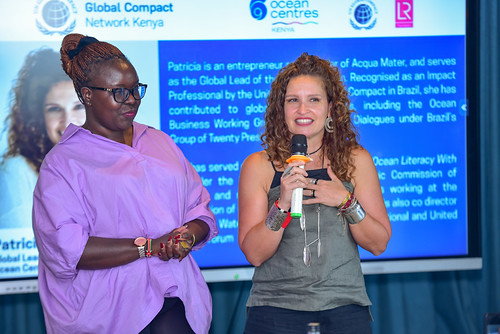
The workshop also highlighted how environmental and economic pressures are intensifying these risks. Across the Western Indian Ocean region, declining fish stocks and ecosystem degradation are forcing fishers to travel further offshore in search of viable catches. This trend is increasingly evident along the Kenyan coast, where fisherfolk report spending more time and fuel to reach productive fishing grounds. These longer journeys expose them to rougher sea conditions and unpredictable weather, increasing the likelihood of accidents and emergencies. At the same time, the continued presence of Illegal, Unreported and Unregulated (IUU) fishing places additional strain on small-scale fisheries, reducing available resources and undermining local livelihoods.
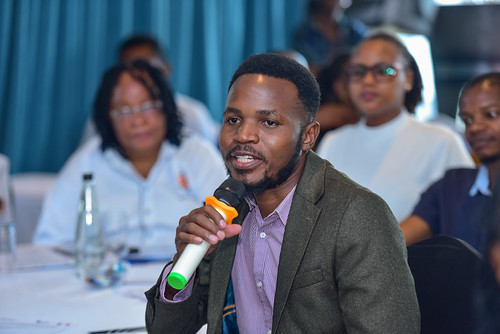
The discussions also underscored that these challenges extend beyond fishing itself, affecting the entire fisheries and aquaculture value chain — from harvesting and landing to processing, marketing, and trade. This is especially evident among women in coastal communities, many of whom are deeply involved in fish processing, small-scale trade, and value addition but often operate with limited access to safety protections, equipment, and financial support. Similarly, youth and persons with disabilities working within the sector frequently face barriers that limit their ability to safely participate in and benefit from fisheries-based livelihoods.
Strengthening Safety and Community Resilience
Participants emphasized the need to strengthen Occupational Safety and Health (OSH) frameworks, guided by principles from the International Labour Organization. However, there was a shared recognition that improving safety within fisheries requires more than policy commitments. It calls for practical and community-centered solutions, including:
Expanding safety awareness and training programs for fisherfolk
Improving access to affordable safety equipment
Strengthening local fisheries governance and enforcement
Supporting community-led initiatives that promote safer fishing practices
Encouraging multi-stakeholder collaboration between government, civil society, and coastal communities
This workshop reaffirmed the importance of continuing to work closely with coastal fisherfolk communities across Kenya to strengthen both livelihood resilience and marine ecosystem protection. Through a combination of community knowledge, conservation action, and policy engagement, we can help ensure that coastal communities not only sustain their livelihoods but also do so in ways that protect lives, preserve marine ecosystems, and secure the future of small-scale fisheries. We extend appreciation to leaders and facilitators including Olive Mumbo, Stella Sululu and Judy Njino for convening such an important dialogue that continues to advance conversations on safe, dignified, and sustainable fisheries across the Western Indian Ocean region.