
Press ESC to close
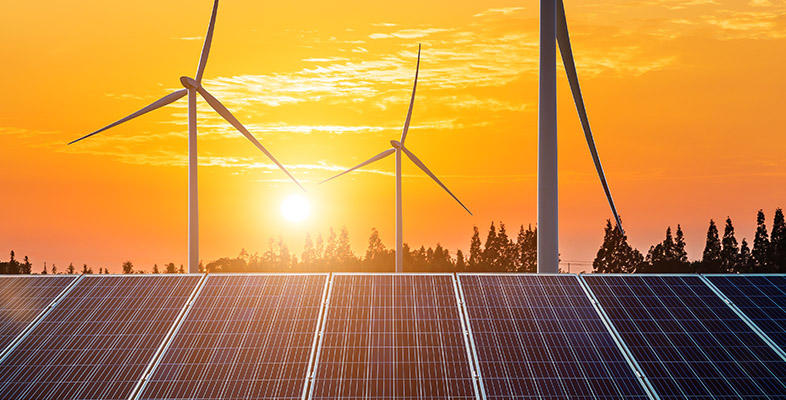
Africa faces some of the world’s most pressing climate challenges: rising temperatures, extreme weather events, droughts, floods, and energy insecurity. These challenges disproportionately affect vulnerable communities, especially women, youth, and rural populations, undermining livelihoods, food security, health, and economic development.
At the same time, Africa possesses immense potential for sustainable, renewable, and low-carbon energy solutions. Harnessing clean energy, improving energy access, and embedding climate resilience measures are central to reducing greenhouse gas (GHG) emissions, achieving Net Zero Pathways, and supporting sustainable, inclusive development.
The Africa Climate and Environment Foundation (ACEF) implements the Climate Action and Clean Energy Programme to deliver community-driven, science-based, and policy-aligned interventions that accelerate Africa’s transition to low-carbon energy, enhance climate resilience, and strengthen the continent’s contribution to global carbon neutrality and climate mitigation goals.
The programme’s objective is to reduce GHG emissions, expand access to clean energy, and build climate resilience in vulnerable African communities, while contributing to Net Zero Pathways at local, national, and regional scales.
The programme is underpinned by three key principles:
1. Interconnectedness of climate vulnerability and energy poverty: Communities without access to clean energy remain highly dependent on polluting fuels, increasing exposure to climate shocks.
2. Carbon sequestration as a mitigation lever: Combining renewable energy deployment with ecosystem-based carbon sequestration interventions strengthens measurable contributions toward Net Zero targets.
3. Integrated, community-driven interventions: Approaches that simultaneously address energy access, emissions reduction, and livelihoods generate sustainable social, economic, and environmental co-benefits.
Africa accounts for less than 4% of global GHG emissions but is one of the most climate-vulnerable regions globally. Rapid population growth, rising energy demand, and reliance on biomass, kerosene, and fossil fuels contribute to emissions while limiting energy access, particularly for rural and peri-urban populations.
Over 600 million Africans lack reliable electricity access, constraining economic growth, education, and health outcomes. Without urgent action, energy poverty and carbon emissions will continue to undermine sustainable development and climate resilience.
ACEF applies a multi-pronged, integrated approach:
Clean Energy Deployment: Installation of solar, wind, micro-hydro, and hybrid systems for households, schools, and community institutions, aligned with Net Zero pathways.
Energy Efficiency and Demand Management: Introduction of energy-efficient appliances, improved cookstoves, and smart energy-conserving practices to reduce emissions and operational costs.
Carbon Sequestration Initiatives: Integration of tree planting, agroforestry, and mangrove restoration to capture atmospheric carbon and offset energy-related emissions.
Climate-Smart Practices: Adoption of low-carbon technologies in agriculture, aquaculture, and small enterprises to reduce environmental footprints.
Community Engagement and Capacity Building: Training, mentorship, and knowledge exchange for women, youth, and local leaders on clean energy deployment, carbon management, and climate adaptation strategies.
Policy-to-Practice Alignment: Support for national energy policies, renewable energy targets, and community-level implementation of Net Zero strategies.
Monitoring and Learning: Continuous tracking of energy access, emissions reductions, carbon sequestration, and climate resilience indicators to inform adaptive management and evidence-based decision-making.
This integrated approach ensures interventions are technically sound, socially inclusive, and financially sustainable, delivering measurable progress toward Net Zero and carbon reduction targets.
1. Renewable Energy Access
○ Deployment of solar home systems, mini-grids, and hybrid solutions aligned with Net Zero Pathways
○ Electrification of schools, health centers, and community institutions
○ Off-grid energy solutions for rural and peri-urban populations
2. Energy Efficiency
○ Promotion of clean cookstoves, energy-efficient appliances, and LED lighting solutions
○ Reduction of household and institutional energy consumption
○ Community awareness campaigns promoting energy conservation and emission reduction
3. Carbon Sequestration and Low-Carbon Livelihoods
○ Tree planting, agroforestry, and mangrove restoration to capture and store carbon
○ Climate-smart agriculture and aquaculture integrated with renewable energy solutions
○ Green micro-enterprises powered by renewable energy, contributing to carbon neutrality and income generation
4. Climate Resilience and Adaptation
○ Deployment of low-carbon energy solutions in disaster preparedness, water management, and food security initiatives
○ Strengthening infrastructure to withstand climate impacts
○ Community-based adaptation planning that integrates carbon reduction and resilience measures
5. Policy, Advocacy, and Knowledge Management
○ Support to governments and local institutions in implementing Net Zero Pathways and renewable energy policies
○ Technical training for entrepreneurs, technicians, and community leaders
○ Documentation and dissemination of best practices in carbon sequestration, clean energy, and climate adaptation for replication across Africa
Livelihoods, Inclusion, and Gender Equity
○ Women and youth prioritized in technology deployment, leadership, and income-generating opportunities
○ Linking clean energy access and carbon sequestration to improved nutrition, health, education, and incomes
○ Promoting inclusive governance in climate and energy projects, ensuring equitable participation and decision-making
Alignment with Global and Regional Frameworks
The programme directly supports:
◇ Paris Agreement / UNFCCC: Reduction of GHG emissions, climate adaptation, and Net Zero commitments
◇ SDGs: SDG 7 (Affordable and Clean Energy), SDG 13 (Climate Action), SDG 5 (Gender Equality), SDG 9 (Industry, Innovation & Infrastructure)
◇ African Union Agenda 2063: Sustainable energy access, climate resilience, and carbon management
● Expanded access to clean, reliable, and affordable energy aligned with Net Zero pathways
● Reduced reliance on fossil fuels and biomass, contributing to GHG emissions reduction
● Increased carbon sequestration through agroforestry, reforestation, and mangrove restoration
● Adoption of energy-efficient technologies across households, schools, and enterprises
● Enhanced climate resilience through integration of low-carbon solutions into livelihoods and infrastructure
● Improved livelihoods, income, and food security, especially for women and youth
● Strengthened community governance, skills, and technical capacity in renewable energy, carbon management, and climate adaptation
Partners will be listed soon.
These organizations directly contribute to the implementation and success of this programme.