Press ESC to close
Africa’s terrestrial, freshwater, and marine ecosystems are foundational to climate regulation, biodiversity conservation, food systems, and inclusive economic development. Forests, wetlands, river basins, mangroves, seagrass meadows, and coastal ecosystems provide essential ecosystem services that support livelihoods, enhance resilience to climate shocks, and contribute significantly to national and regional economies.
These ecosystems are increasingly threatened by the combined impacts of climate change, biodiversity loss, pollution, and land degradation and desertification, collectively recognized as the Triple +1 Planetary Crisis, with land degradation acting as a critical compounding stressor across Africa. Unsustainable land use, deforestation, wetland conversion, overexploitation of marine resources, and land-based pollution continue to erode ecosystem integrity and resilience.
The Africa Climate and Environment Foundation (ACEF) implements the Ecosystems Conservation and Restoration Programme to address these challenges through integrated, ecosystem-based, and community-driven interventions that operate across the land–water–sea continuum.
The programme’s overarching objective is to halt and reverse ecosystem degradation while strengthening climate resilience, biodiversity conservation, pollution reduction, and sustainable livelihoods in priority African landscapes and seascapes.
ACEF’s theory of change is grounded in the understanding that:
a) Ecosystem degradation is driven by both ecological and socio-economic factors
b) Conservation outcomes are sustained only when communities benefit economically and socially
c) Integrated land–water–sea management delivers higher and more durable environmental returns than sectoral approaches
By restoring ecosystems, strengthening local governance, reducing pollution, and embedding sustainable livelihood options, ACEF contributes to long-term ecosystem recovery and resilience, while generating global environmental benefits and measurable local development outcomes.
Africa contributes a small share of global greenhouse gas emissions but is among the most climate-vulnerable regions globally. Climate impacts, including droughts, floods, coastal erosion, salinization, and biodiversity loss , disproportionately affect rural, coastal, and ecosystem-dependent communities.
Over 600 million people in Africa rely directly on ecosystem services for food, income, water, and cultural well-being. Degraded ecosystems undermine food systems, increase disaster risk, and constrain development gains.
ACEF applies an integrated set of approaches aligned with international best practice:
Ecosystem-based and Nature-based Solutions (NbS) to enhance climate mitigation, adaptation, and resilience
Integrated Landscape and Seascape Management, linking upstream catchments to downstream freshwater and marine ecosystems
Community-Based Natural Resource Management (CBNRM) to strengthen local stewardship and accountability
Mainstreaming biodiversity and ecosystem services into productive sectors, including agriculture, fisheries, and aquaculture
Gender-responsive and youth-inclusive implementation, recognizing differentiated impacts and capacities
Policy-to-practice alignment, supporting national and regional environmental and climate strategies
This integrated approach ensures ecological effectiveness, social inclusion, and financial sustainability.
ACEF restores degraded forests, woodlands, and landscapes using indigenous species and ecosystem-based approaches. Interventions include sustainable land management, agroforestry, reforestation, and protection of biodiversity-rich and culturally significant ecosystems. These actions improve soil fertility, enhance water infiltration, reduce erosion, and strengthen carbon sequestration.
The programme rehabilitates wetlands, rivers, and catchments to improve water quality, regulate hydrological flows, reduce flood risks, and maintain ecosystem connectivity. Catchment protection reduces sedimentation and nutrient runoff, directly benefiting downstream estuarine and coastal ecosystems.
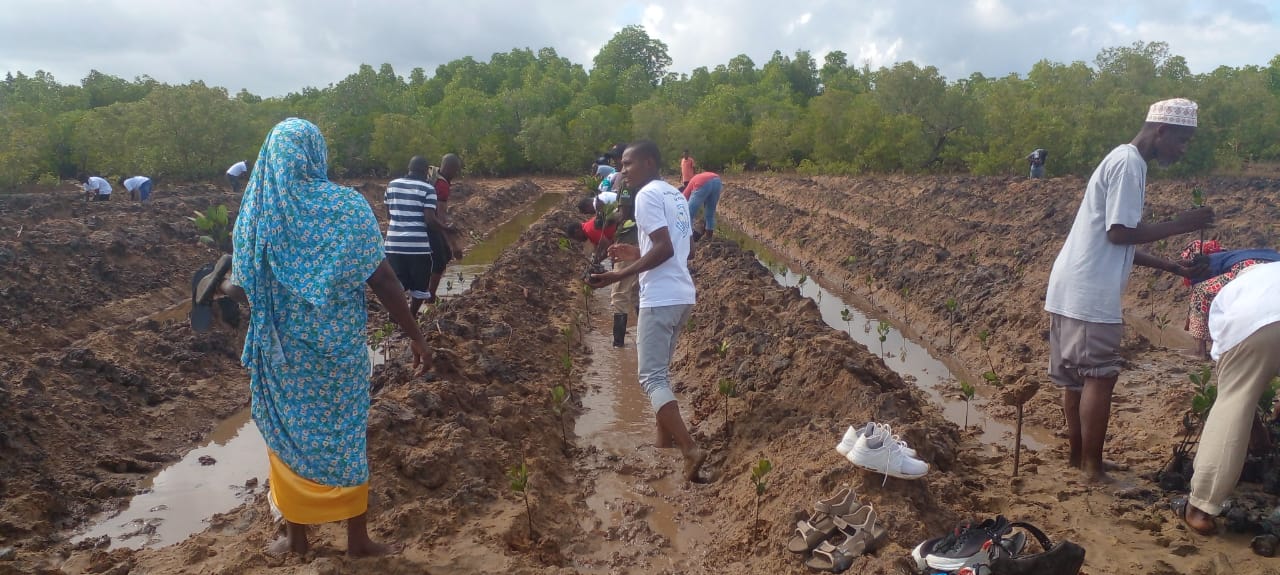
ACEF works with coastal communities to restore and conserve mangroves, seagrass meadows, estuaries, and nearshore marine habitats. Interventions support ecosystem-based fisheries management, enhance coastal protection, strengthen blue carbon storage, and safeguard biodiversity critical to food security and livelihoods.
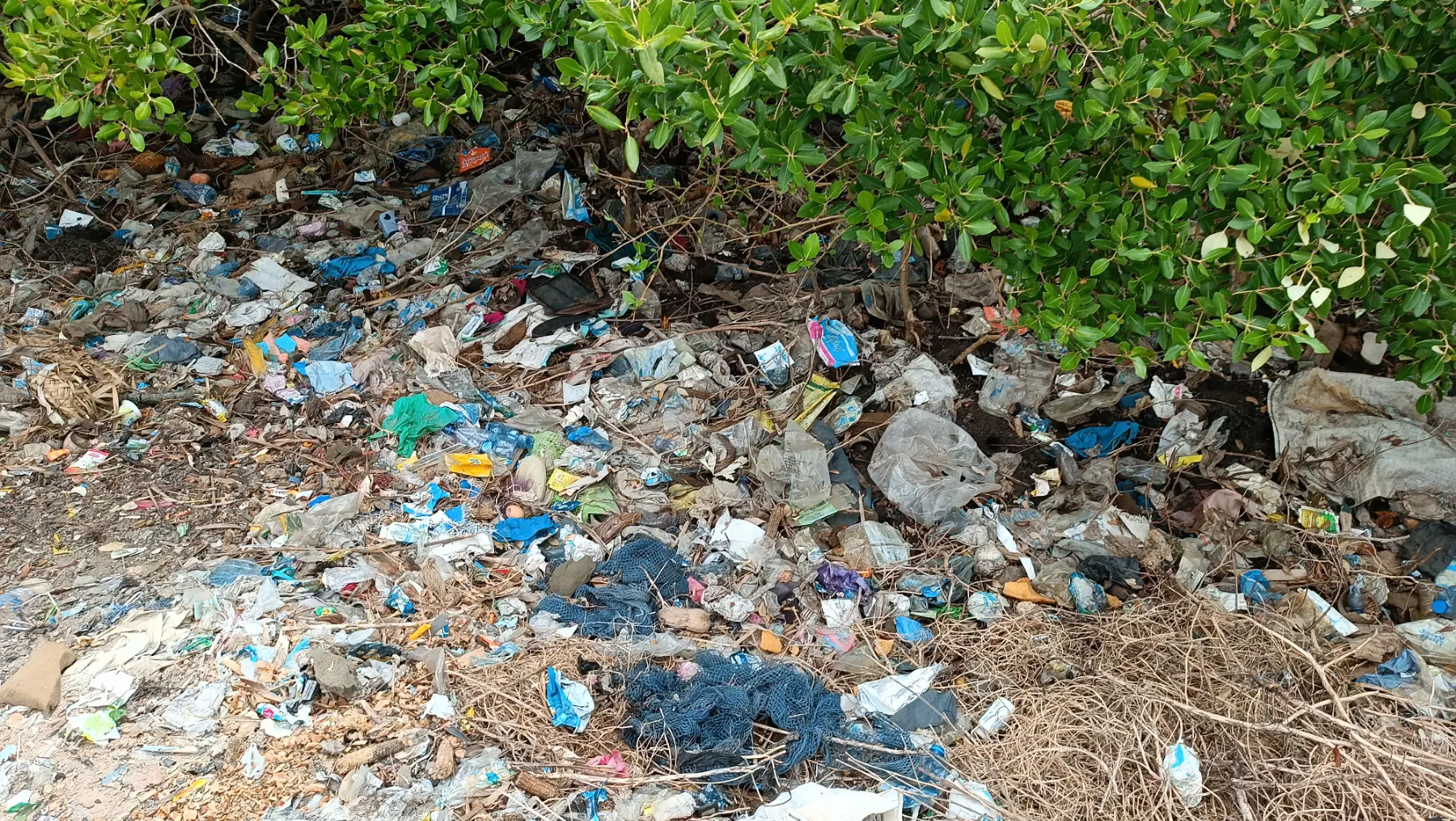
The programme addresses land-based sources of pollution, including plastics and nutrient runoff, through community-led waste management, behavior change, and ecosystem protection, contributing to healthier freshwater and marine systems.
The programme strengthens:
Community governance structures and co-management systems
Local capacity for ecosystem monitoring and management
Knowledge exchange between traditional ecological practices and applied science
Learning, replication, and scaling of effective models
The programme contributes directly to:
-The Kunming–Montreal Global Biodiversity Framework (ecosystem restoration, pollution reduction, equitable participation)
-The Paris Agreement and UNFCCC, through NbS and ecosystem-based adaptation
-The UN Convention to Combat Desertification (UNCCD)
-The UN Sustainable Development Goals, particularly SDGs 2, 6, 13, 14, and 15
-African Union environmental and blue economy strategies
Our Goal
Restored and sustainably managed terrestrial, freshwater, and marine ecosystems
Improved ecosystem services and biodiversity health
Enhanced climate resilience and reduced disaster risk
Reduced land-based and marine pollution
Improved livelihoods, food security, and gender equity
Strengthened local governance and stewardship
Partners will be listed soon.
These organizations directly contribute to the implementation and success of this programme.