Press ESC to close
Africa faces accelerating environmental degradation, climate change, biodiversity loss, and unsustainable resource use, threatening the livelihoods of over 1.3 billion people across the continent. Approximately 80% of Africans depend directly on natural resources for food, water, and income. Yet, over 65% of ecosystems are now classified as degraded, wetlands are shrinking at rates of up to 1.2% per year, and deforestation continues at 3.9 million hectares annually, increasing vulnerability to climate shocks.
Despite this, environmental literacy remains low, with fewer than 30% of youth in sub-Saharan Africa reporting awareness of climate change impacts, and less than 25% of policymakers accessing reliable, localized environmental data to inform decision-making. These gaps undermine the effectiveness of climate adaptation, ecosystem restoration, and sustainable development interventions.
The Africa Climate and Environment Foundation (ACEF) implements the Environmental Education, Policy Advocacy, and Research Programme to address these urgent gaps by empowering communities, generating actionable research, and influencing evidence-based policies that protect biodiversity, enhance climate resilience, and advance sustainable development.
The programme aims to strengthen environmental literacy, generate actionable knowledge, and advocate for evidence-based policies, supporting climate adaptation, biodiversity conservation, and sustainable natural resource management in Africa.
Key guiding principles:
Education is critical: In Africa, over 100 million children, youth and women live in high climate-risk areas, yet access to environmental education is limited. Empowered communities make informed decisions, strengthen resilience, and reduce unsustainable practices.
Research drives policy: Only 15–20% of national climate and biodiversity policies in Africa are informed by local, empirical evidence, creating implementation gaps that threaten ecosystem restoration and conservation.
Policy advocacy multiplies impact: Aligning local, national, and regional policies with global frameworks such as the Paris Agreement, GBF, and SDGs ensures solutions are scalable, enforceable, and sustainable.
Africa’s ecosystems are under severe and accelerating pressure:
○ Forests: Africa loses 3.9 million hectares annually, releasing 1.1 Gt CO₂e into the atmosphere.
○ Wetlands: Shrinking at 1.2% per year, reducing critical water filtration, flood regulation, and carbon storage.
○ Biodiversity: Approximately 22% of species assessed are threatened, including keystone species critical for ecosystem health.
○ Energy and climate: Over 600 million people lack electricity, and 90% of rural households rely on biomass, driving deforestation and air pollution.
》Without immediate intervention, these trends threaten food security for 650+ million Africans, increase disaster vulnerability, and compromise progress toward the Paris Agreement, GBF, and SDG targets.
The programme addresses these challenges by:
• Increasing environmental literacy: Empowering youth, women, and communities to adopt sustainable practices
• Generating actionable research: Providing data for ecosystem restoration, carbon sequestration, and climate-resilient strategies
• Influencing evidence-based policy: Ensuring governments integrate science and community perspectives into planning
ACEF applies an integrated, multi-level approach combining education, research, and advocacy:
Environmental Education
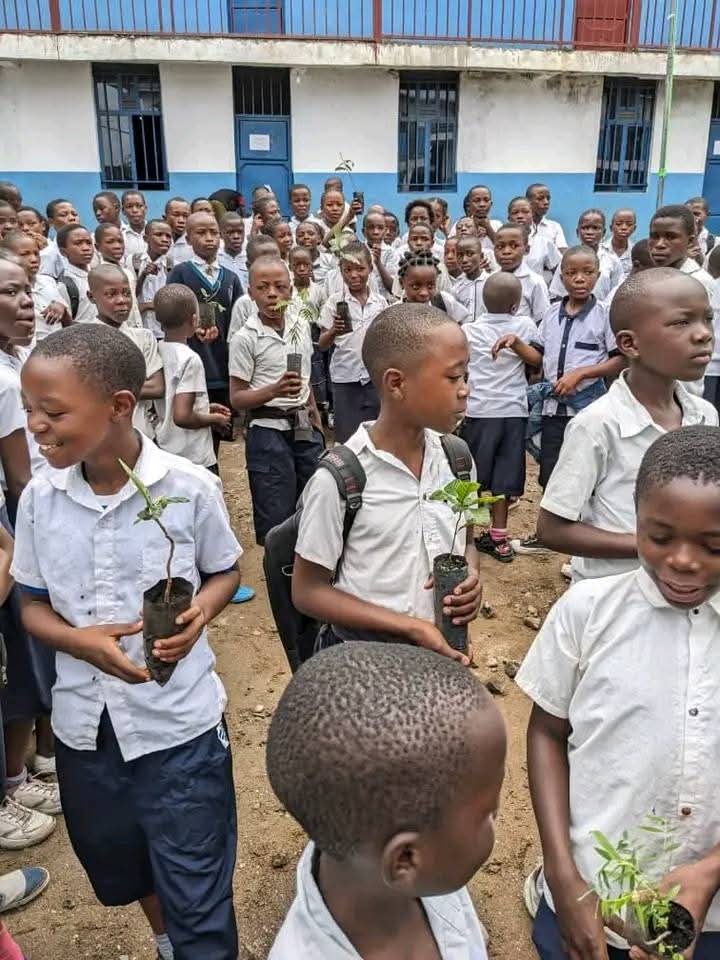
Reaching over 50,000 youth and community members annually through schools, eco-clubs, and outreach programs
Hands-on citizen science programs in wetlands, forests, and marine ecosystems
Public campaigns targeting 100+ communities for behavior change and environmental stewardship
Policy Advocacy
Policy analysis and engagement from local, national, regional to global level.
Strengthening alignment with GBF, SDGs, and Paris Agreement commitments
Ensuring inclusive governance, with at least 40% women and 30% youth representation in environmental decision-making
Applied Research
Conducting field assessments in priority ecosystems covering 10,000+ hectares
Carbon sequestration studies to inform Net Zero pathways
Data dissemination through policy briefs, community workshops, and scientific publications
Capacity Building
Training 1,500+ women, youth, and community leaders per year
Technical mentorship in environmental monitoring, research, and advocacy
Creation of knowledge hubs for replication and scaling
Knowledge-to-Action Integration
◇ Feedback loops ensuring evidence informs practice and policy
◇ Aligning community practices with GBF Targets 2, 3, and 15, SDGs, and climate action frameworks
◇ Translating research into actionable policy recommendations
● 50,000+ individuals empowered with environmental literacy annually
● 20+ evidence-based policies influenced at local, county, and national levels
● 10,000+ hectares of ecosystems monitored and restored for biodiversity and carbon sequestration
● Measurable contributions to Net Zero pathways, reducing carbon emissions and increasing carbon storage
● Strengthened women- and youth-led environmental initiatives, contributing to inclusive governance
● Replicable models that scale community-driven climate action and conservation interventions
Partners will be listed soon.
These organizations directly contribute to the implementation and success of this programme.