Press ESC to close
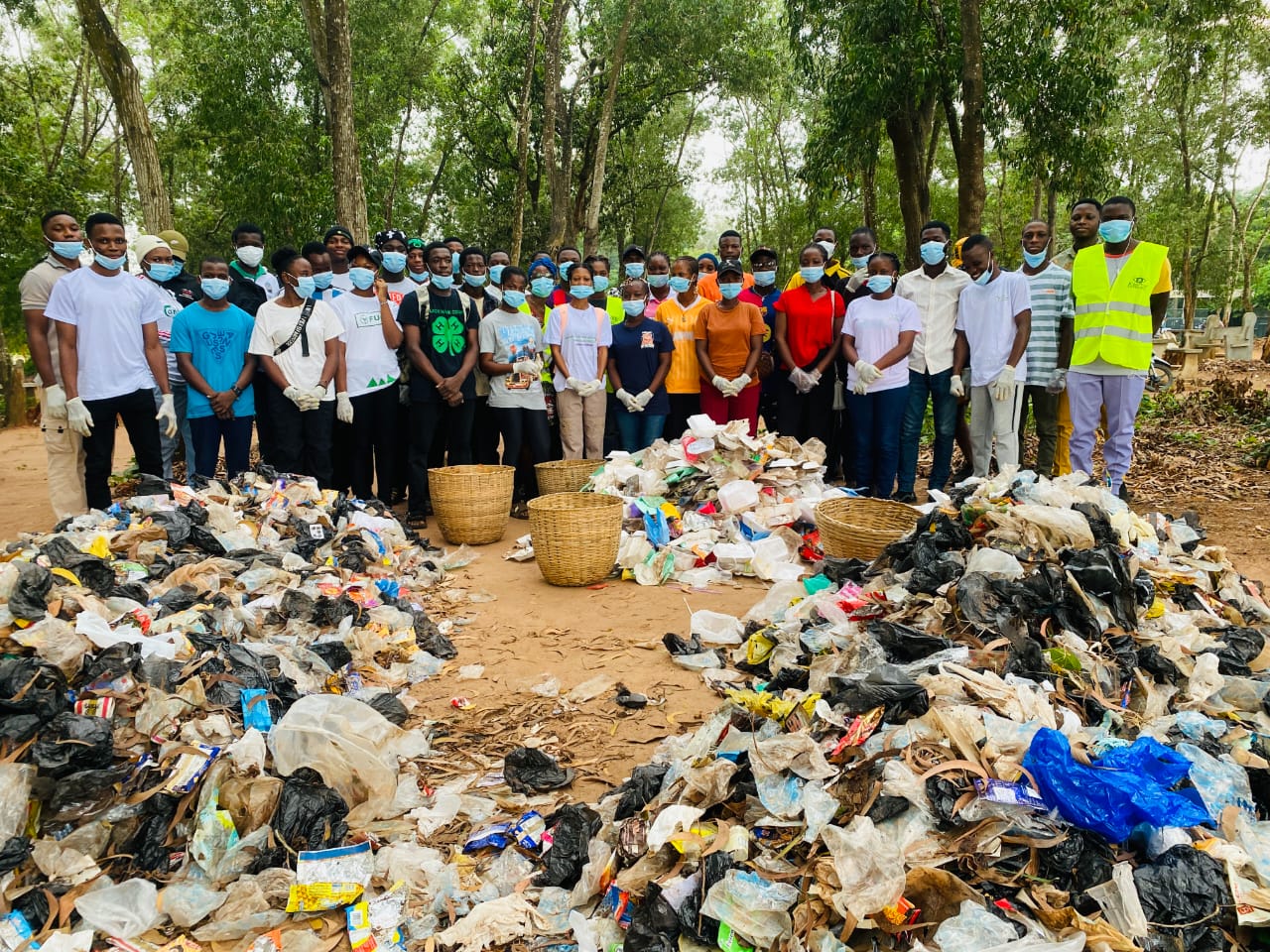
Africa faces a rapidly growing solid waste crisis, driven by urbanization, population growth, and unsustainable consumption patterns. The continent generates over 125 million tons of municipal solid waste annually, with 70–90% ending up in unregulated dumpsites or waterways, contributing to land, water, and marine pollution, public health risks, greenhouse gas emissions, and biodiversity loss.
Improper waste management not only degrades ecosystems but also undermines livelihoods, food security, and urban resilience. Simultaneously, untapped economic opportunities exist in recycling, waste-to-energy, and circular economy enterprises, which can drive job creation, climate mitigation, and sustainable development.
The Africa Climate and Environment Foundation (ACEF) implements the Solid Waste Management and Circular Economy Programme to transform waste from an environmental liability into an economic and ecological asset, integrating community-driven solutions, policy advocacy, research, and enterprise development.
The programme’s overarching goal is to reduce environmental and health risks from solid waste, promote circular economy practices, and generate sustainable livelihoods, while contributing to climate mitigation, carbon reduction, and Net Zero pathways.
ACEF is guided by the understanding that:
1. Solid waste mismanagement is both an environmental and socio-economic challenge: Pollution affects ecosystems, human health, and local economies.
2. Circular economy approaches create win-win solutions: Recycling, resource recovery, and waste-to-value innovations reduce emissions, create jobs, and conserve natural resources.
3. Community participation and youth leadership are critical: Sustainable waste management depends on local behavior change, innovative enterprises, and inclusive governance.
Africa produces 125+ million tons of municipal solid waste annually, expected to double by 2050 if unaddressed.
Less than 40% of waste is collected and treated, with the remainder disposed of in open dumps, rivers, or oceans.
Landfills contribute 4–5% of total African greenhouse gas emissions, primarily methane from organic waste decomposition.
Plastic waste alone threatens marine biodiversity, with 1.5 million tons entering African oceans annually.
Youth unemployment and informal labor are high, yet waste-to-value enterprises remain underdeveloped, representing untapped economic opportunities.
These trends create urgent ecological, social, and economic imperatives for intervention, particularly in urban and coastal communities.
ACEF implements a holistic, multi-level approach combining solid waste management, circular economy principles, and community empowerment:
1. Waste Reduction and Segregation
Community-led campaigns to reduce, reuse, and segregate waste at source
Education programs in schools, informal settlements, and public institutions
Behavioral change initiatives promoting sustainable consumption
2. Resource Recovery and Circular Economy
Development of recycling, composting, and upcycling initiatives
Waste-to-value enterprises transforming plastics, organic waste, and e-waste into marketable products
Promotion of green entrepreneurship and eco-innovations
3. Clean Energy from Waste
Feasibility and deployment of waste-to-energy solutions, including biogas from organic waste
Integration into local energy systems, contributing to Net Zero pathways and climate mitigation
4. Policy, Advocacy, and Institutional Strengthening
Engaging local and national governments to strengthen waste management regulations, incentives, and enforcement
Support for data-driven decision-making and reporting aligned with UNEP, GEF, and EU circular economy targets
Promotion of inclusive governance, ensuring participation of youth, women, and marginalized groups
5. Capacity Building and Community Engagement
Training waste collectors, entrepreneurs, and youth leaders in sustainable waste management practices
Establishing eco-clubs, community action groups, and knowledge hubs
Supporting local ownership, monitoring, and scaling of interventions
6. Research and Monitoring
Assessing waste generation, recycling rates, environmental impact, and greenhouse gas reductions
Identifying opportunities for innovation, value creation, and scaling circular economy solutions
Producing knowledge products to inform policy and community decision-making
Key Intervention Areas
1. Waste Reduction and Segregation
School and community programs to reduce plastic and organic waste
Promotion of household and institutional composting
2. Recycling and Upcycling Enterprises
Plastic, metal, and e-waste recovery and processing
Eco-friendly product development from recovered materials
3. Waste-to-Energy Solutions
Biogas and biofuel production from organic waste
Integration of renewable energy solutions to reduce reliance on fossil fuels
4. Green Entrepreneurship and Skills Development
Youth and women-led waste enterprises
Training in business management, marketing, and eco-innovation
5. Policy and Governance Support
Policy advocacy for sustainable urban waste systems
Strengthening municipal and national waste management frameworks
Alignment with Global and Regional Frameworks
The programme contributes to:
Paris Agreement / UNFCCC: Emissions reduction through methane capture, waste-to-energy, and circular economy approaches
Global Biodiversity Framework (GBF): Reducing land and marine pollution, protecting ecosystems and species
Sustainable Development Goals (SDGs): SDG 6 (Clean Water & Sanitation), SDG 7 (Affordable & Clean Energy), SDG 11 (Sustainable Cities), SDG 12 (Responsible Consumption & Production), SDG 13 (Climate Action), SDG 14 & 15 (Life Below Water & Life on Land)
African Union Agenda 2063: Circular economy, sustainable urbanization, and youth employment
Reduction of 100,000+ tons of municipal solid waste annually in target communities
Creation of 1,500+ green jobs, prioritizing youth and women
Establishment of 50+ waste-to-value enterprises contributing to livelihoods and circular economy growth
Capture and reduction of methane emissions equivalent to 50,000+ tons CO₂e annually
Improved urban and coastal ecosystem health, including cleaner rivers, wetlands, and shorelines
Strengthened community participation, technical capacity, and governance for sustainable waste management
Partners will be listed soon.
These organizations directly contribute to the implementation and success of this programme.