Africa is urbanizing at a remarkable pace. Across the continent, towns are expanding, new cities are emerging, and millions of people are moving into urban spaces in search of opportunity. This transformation brings hope for economic growth and improved livelihoods, but it also raises an important question: how can Africa grow its cities without losing the ecosystems and community systems that sustain life?
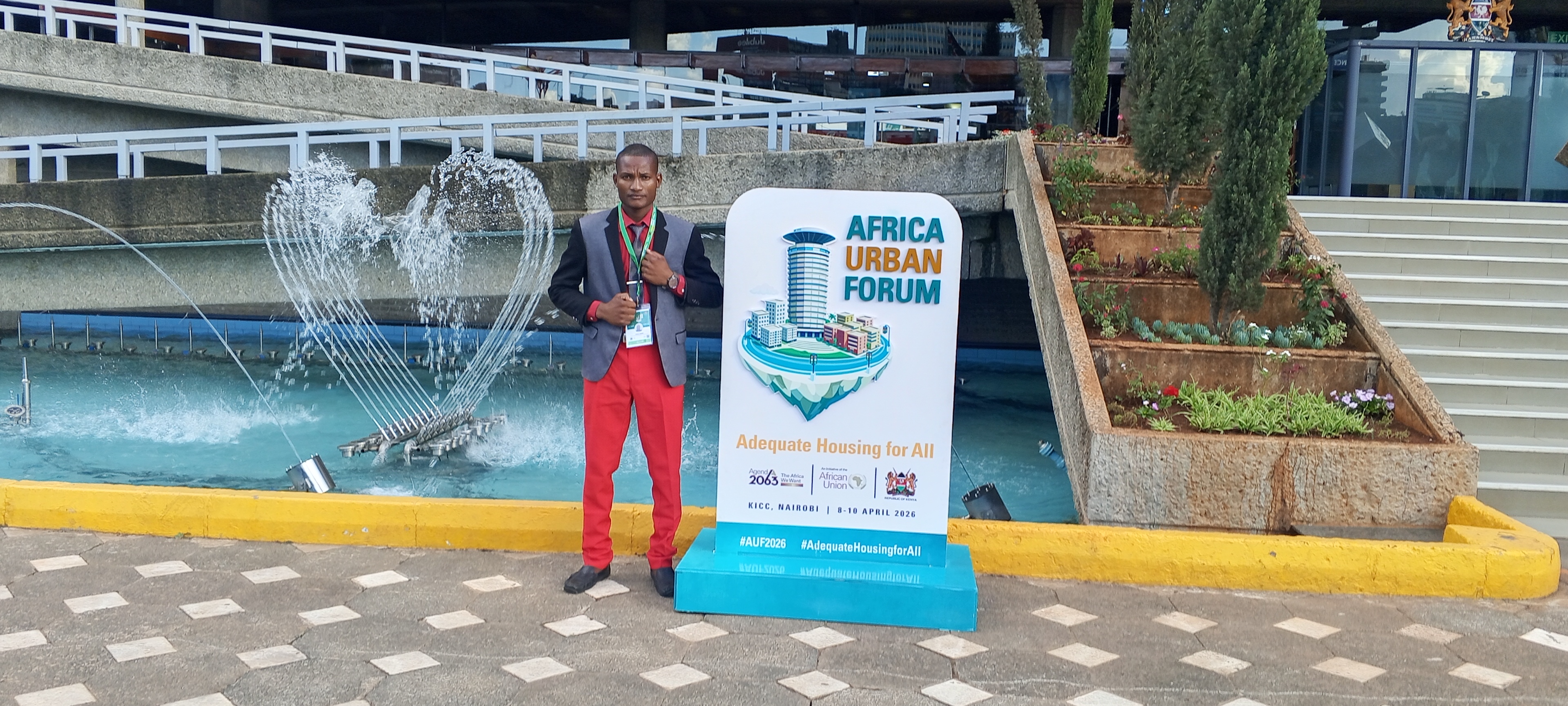
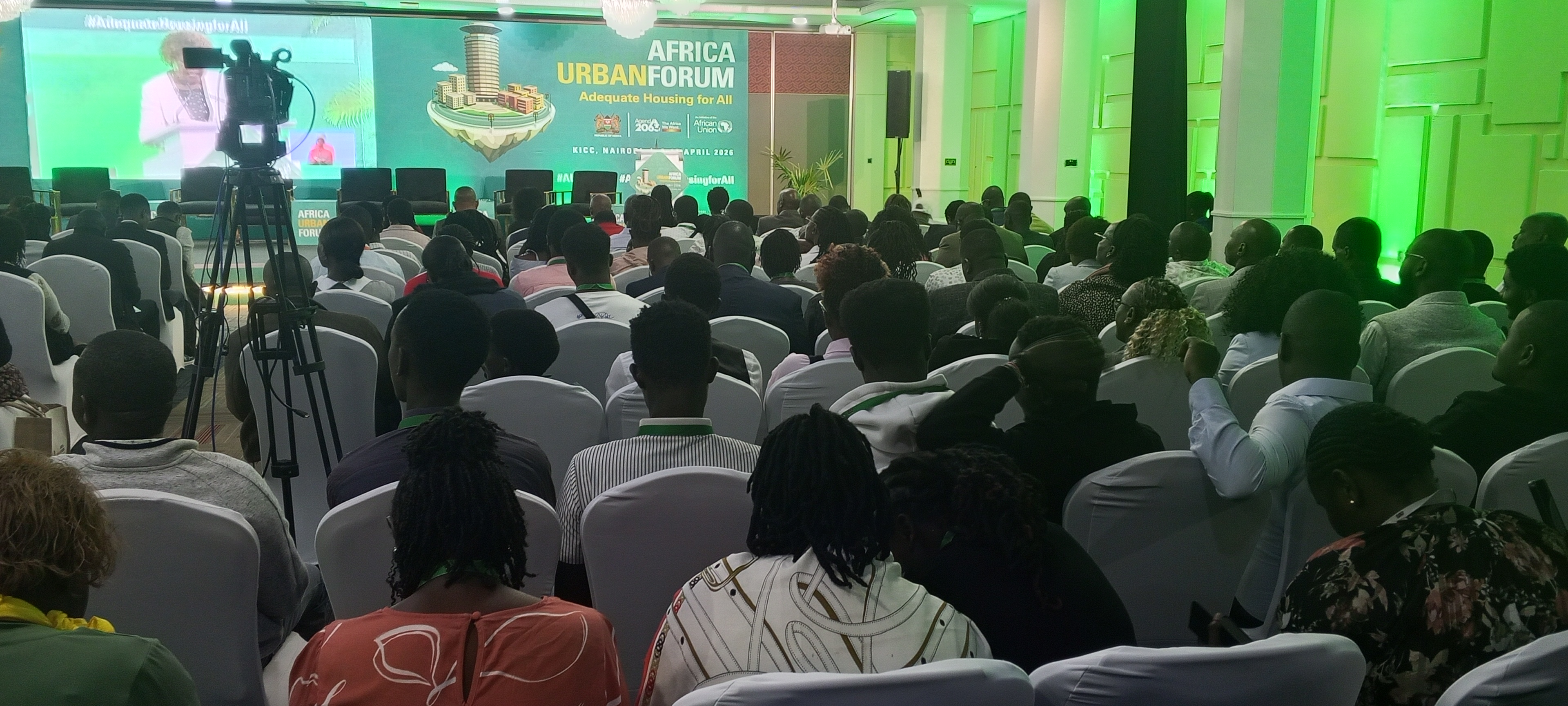
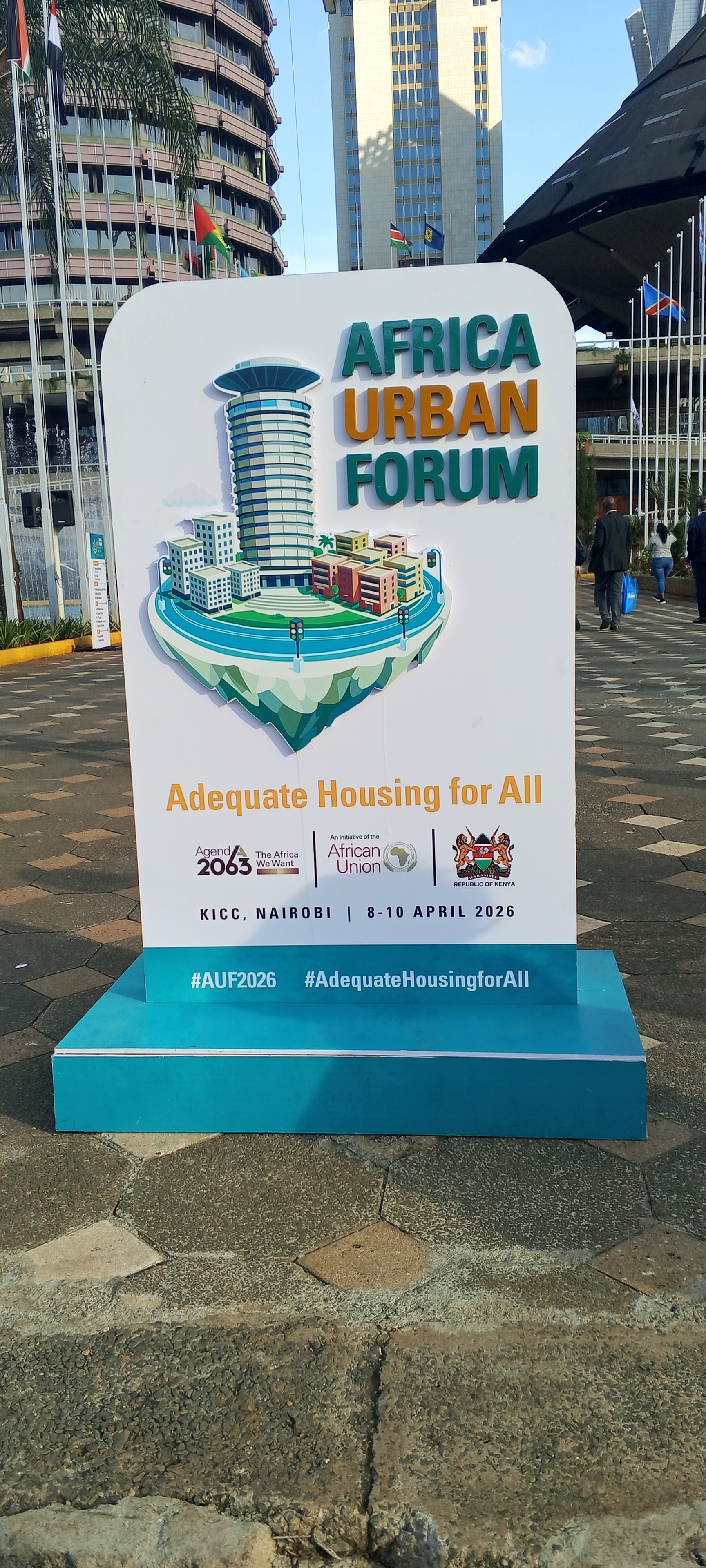
These questions shaped many of the discussions at the 2nd Africa Urban Forum, held from 8–10 April 2026 at the Kenyatta International Convention Centre in Nairobi. The forum brought together government leaders, urban planners, researchers, development partners, and civil society organizations to reflect on the future of African cities under the theme “Adequate Housing for All: Advancing Socio-economic and Environmental Transformation towards the Realization of Agenda 2063.”
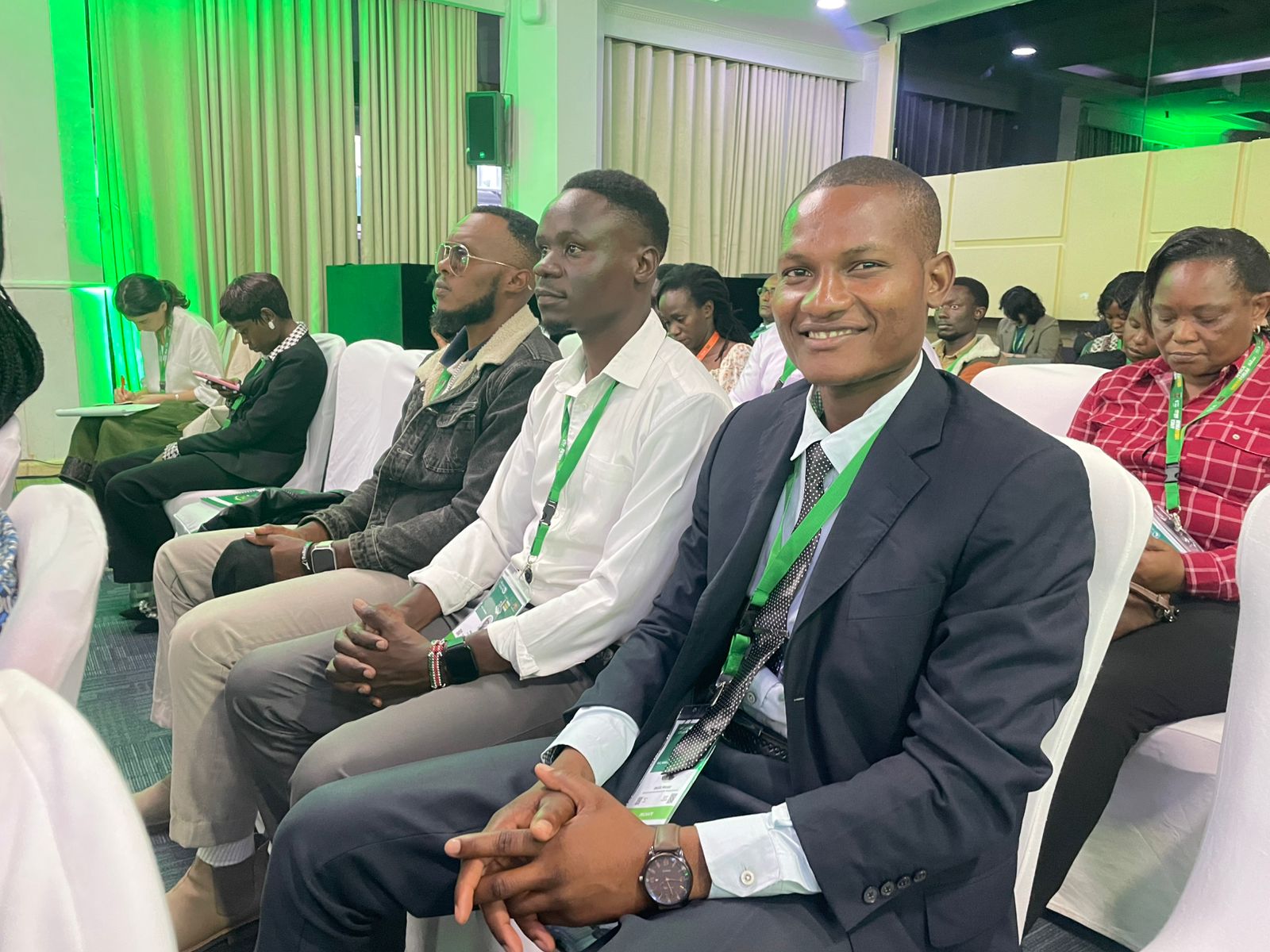
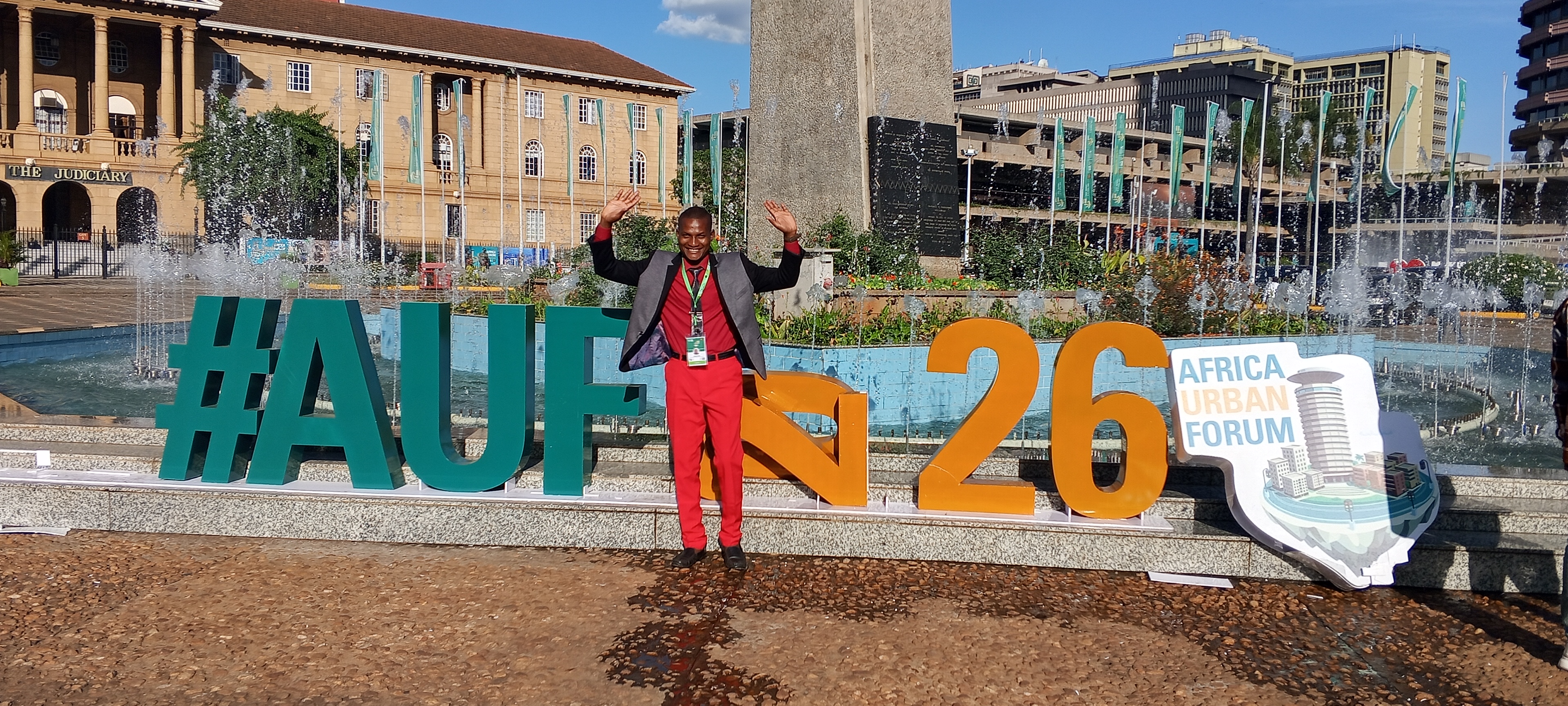
Our presenceat the forum was both meaningful and inspiring. It offered a valuable opportunity to connect continental conversations about development with the everyday realities faced by communities working to protect their environments.
Urban Growth and the Hidden Role of Ecosystems
When people talk about urban development, the conversation often focuses on buildings, roads, housing projects, and infrastructure. These are important, but cities do not function on concrete alone.Urban life depends heavily on natural ecosystems.
Rivers and wetlands supply water to cities. Forests regulate rainfall and climate. Coastal mangroves protect shorelines from storms and erosion. Healthy oceans sustain fisheries that feed urban populations. When these ecosystems are degraded, the impacts are quickly felt in both rural and urban communities.
Participants at the forum repeatedly emphasized the importance of long-term planning that recognizes this connection between nature and urban resilience.
Cities that fail to protect surrounding ecosystems often face higher costs later—flooding caused by destroyed wetlands, water shortages due to degraded watersheds, or food insecurity linked to declining fisheries.
Protecting ecosystems, therefore, is not separate from urban development. It is a critical foundation for sustainable cities.
Africa’s People and the Ecosystems They Depend On
Across Africa, ecosystems are deeply intertwined with people’s lives and livelihoods. Along coastlines, communities depend on oceans, coral reefs, and mangrove forests for fishing, tourism, and cultural identity. Inland, forests support biodiversity while also providing food, medicine, and materials for millions of people. Wetlands regulate water systems that both rural and urban populations rely on.
Yet many of these ecosystems face mounting pressures. Plastic pollution continues to choke rivers and coastlines. Unsustainable fishing practices threaten marine biodiversity. Expanding settlements and infrastructure projects sometimes encroach on sensitive ecological areas.
The consequences are not only environmental but they are social and economic as well. For a fisher, declining fish stocks mean reduced income. For a coastal community, degraded mangroves can lead to increased erosion and vulnerability to storms. For cities, polluted waterways and degraded landscapes translate into public health challenges and higher costs for water treatment and disaster management. This is why protecting ecosystems must go hand in hand with protecting people’s livelihoods.
Grassroots Environmental Action Across Africa
The work of Africa Climate and Environment Foundation reflects this understanding. ACEF works closely with communities to strengthen environmental awareness, restore ecosystems, and promote sustainable livelihoods that benefit both people and nature.
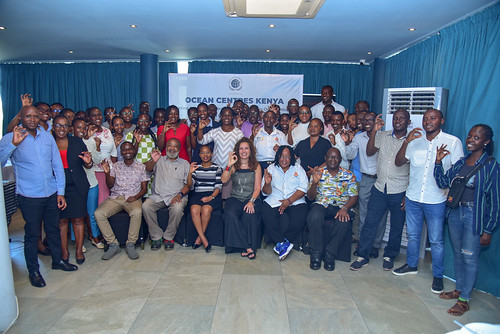
While many of our activities began at the community level, the network of collaboration has steadily expanded. Today, ACEF’s initiatives, partnerships, and community engagements reach across 14 African nations, connecting youth leaders, grassroots groups, educators, and environmental advocates who are working toward shared environmental goals.
These collaborations focus on practical, community-driven solutions. From mangrove restoration and marine conservation to waste management education and ocean literacy programs, the emphasis remains on empowering communities to take an active role in protecting their natural environments.
At the heart of this work is a simple belief: lasting environmental change must grow from the ground up.
Linking Local Action to Global Goals
The discussions at the forum also highlighted the importance of aligning development efforts with global sustainability frameworks such as the United Nations Sustainable Development Goals.
Several goals are directly connected to the themes discussed at the forum, including:
Sustainable Development Goal 11-Sustainable Cities and Communities
Sustainable Development Goal 13 – Climate Action
Sustainable Development Goal 14 – Life Below Water
Sustainable Development Goal 15 – Life on Land
Sustainable Development Goal 5 – Gender Equality
Achieving these goals requires more than policy discussions. It requires practical action, community engagement, and collaboration across sectors.
Grassroots organizations play an important role in bridging the gap between global commitments and local realities.
Youth and Women at the Center of Environmental Solutions
One of the most encouraging aspects of environmental work across Africa today is the growing leadership of young people and women. Africa has the youngest population in the world. This demographic reality presents both challenges and opportunities. When young people lack opportunities, frustration can grow. But when they are equipped with knowledge, skills, and platforms to lead, they become powerful drivers of positive change.
ACEF continues to invest in youth mentorship, environmental education, and leadership development, helping young people engage with climate action, conservation, and community initiatives. Women also play a central role in environmental stewardship across many African communities.
From seaweed farming and fisheries to community conservation programs and small-scale environmental enterprises, women are often at the forefront of sustainable livelihood practices. Supporting their leadership strengthens both environmental protection and household resilience.
Empowering youth and women is therefore not just a social priority, it is an environmental one as well.
Looking Toward Africa’s Urban Future
The conversations at the 2nd Africa Urban Forum served as an important reminder that Africa’s development path must be both inclusive and environmentally responsible.
Cities will continue to grow. Infrastructure will expand. Economies will evolve.
But the real measure of progress will not only be seen in skylines or construction projects. It will be seen in whether communities have access to clean water, healthy environments, sustainable livelihoods, and meaningful participation in decisions that affect their futures.
Africa Climate and Environment Foundation being part of these conversations, reinforces our commitment to ensuring that environmental voices from communities remain part of Africa’s development journey.
Because ultimately, Africa’s ecosystems and its people are inseparable. Protecting one means protecting the other.
The forum concluded with the adoption of the Nairobi Declaration, reaffirming a collective commitment by stakeholders to promote inclusive, transparent, and sustainable urban development across the continent.