Press ESC to close
Across Africa, a significant environmental education gap still exists, especially in rural and grassroots communities and in areas affected by conflict. Many young people grow up s...

Across Africa, a significant environmental education gap still exists, especially in rural and grassroots communities and in areas affected by conflict. Many young people grow up surrounded by important ecosystems such as rivers, lakes, forests, wildlife habitats, and marine environments, yet they often lack access to the knowledge and practical learning needed to understand and protect these natural resources. This gap continues to affect how communities interact with their environment, contributing to the growing loss of biodiversity and the degradation of ecosystems that many livelihoods depend on.
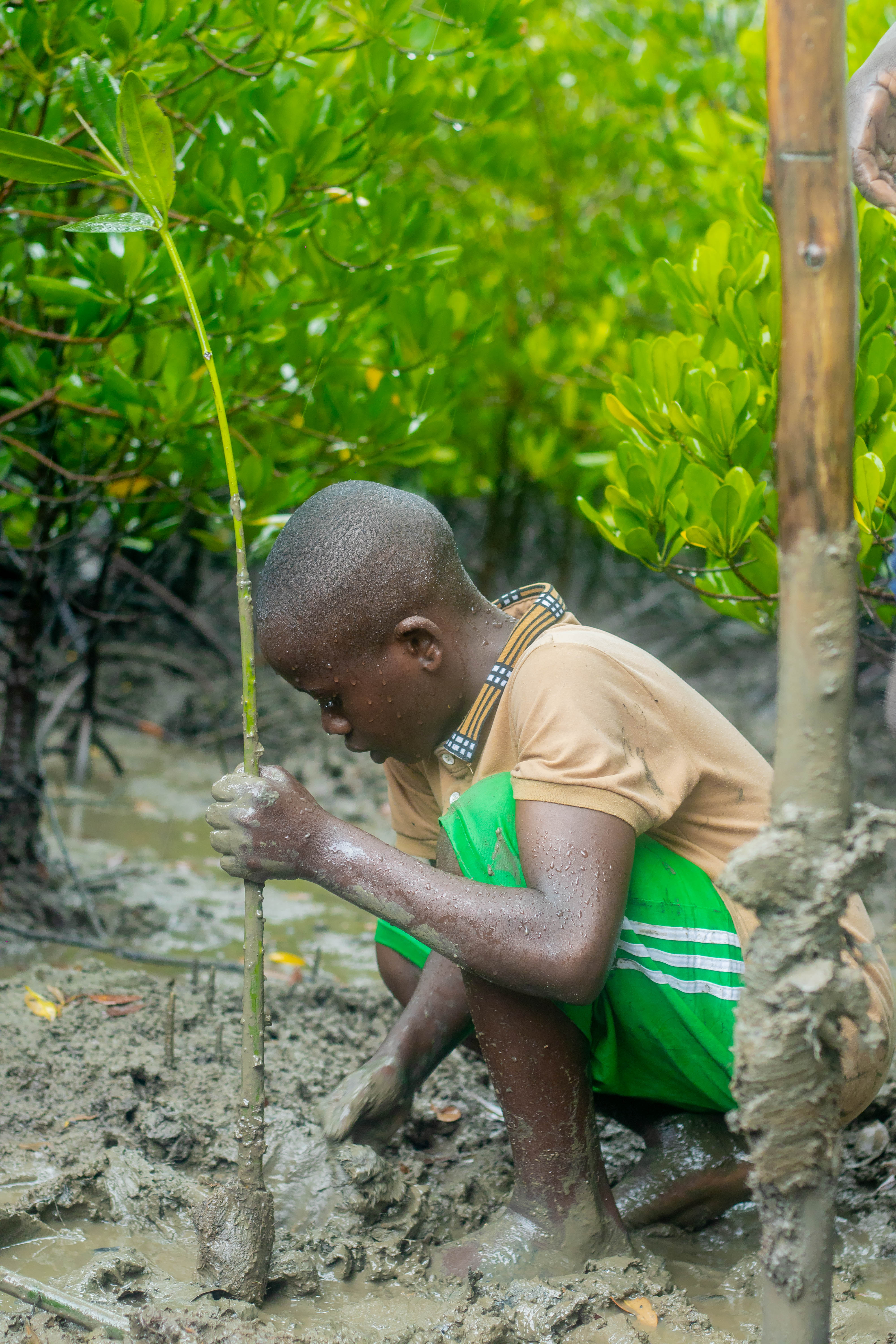
The “Catch Them While Still Young” Environmental Education Awareness Project by the Africa Climate and Environment Foundation (ACEF) is designed to address this challenge by introducing environmental knowledge and awareness at an early stage. The initiative focuses on empowering young people and women with the skills, understanding, and resources needed to lead environmental education and awareness efforts within their own communities.
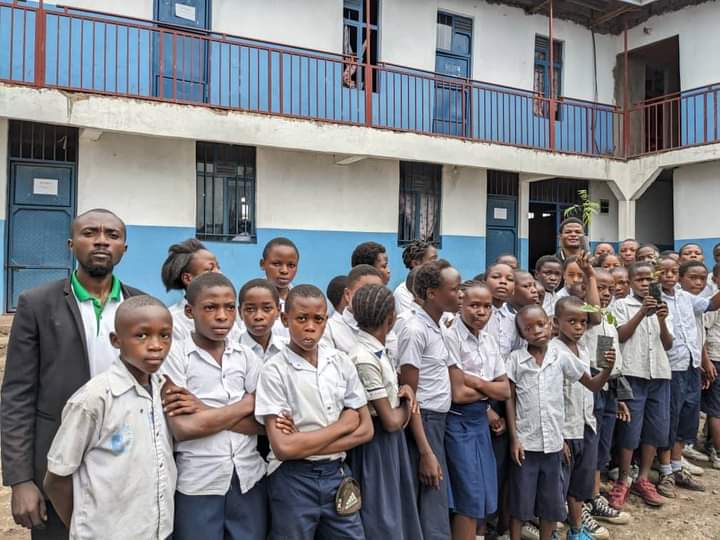
Implemented across ACEF’s 14 member countries, the project supports expert-led outreach programs that focus on protecting and sustainably managing local ecosystems, including rivers, lakes, forests, wetlands, wildlife habitats, and coastal and marine environments. By working closely with grassroots schools and community networks, the project helps create learning spaces where environmental awareness becomes part of everyday education and community life.
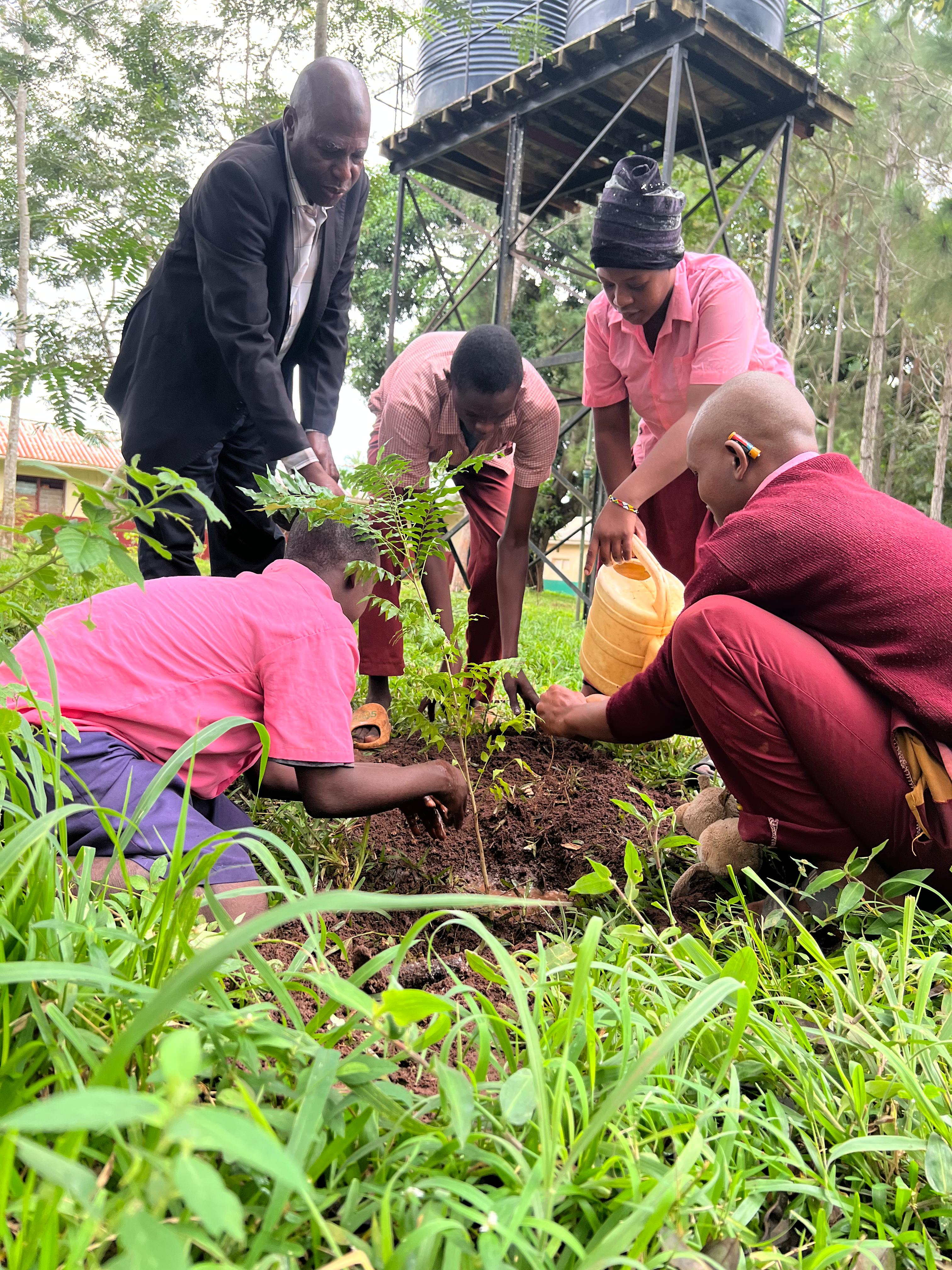
A key part of the initiative is the establishment of Environmental Clubs, Wildlife Clubs, and Blue Clubs in schools. These clubs provide young learners with opportunities to explore nature, understand environmental challenges, and participate in practical conservation activities. Through mentorship, hands-on learning, and community engagement, students develop leadership skills and a strong sense of responsibility toward protecting their environment.
The project also supports youth and women through training and capacity-building programs that enable them to conduct environmental awareness sessions, community outreach activities, and conservation initiatives in their local areas. This approach not only strengthens environmental literacy but also creates meaningful opportunities for community involvement and empowerment.
By investing in environmental education from an early age, ACEF aims to nurture a new generation of environmentally conscious leaders who are equipped to safeguard Africa’s natural heritage. The initiative contributes to closing the environmental education gap, strengthening community stewardship of ecosystems, and reversing the rapid loss of biodiversity across the continent. Through this work, the project contributes to several United Nations Sustainable Development Goals, including Quality Education (SDG 4), Gender Equality (SDG 5), Climate Action (SDG 13), Life Below Water (SDG 14), and Life on Land (SDG 15).
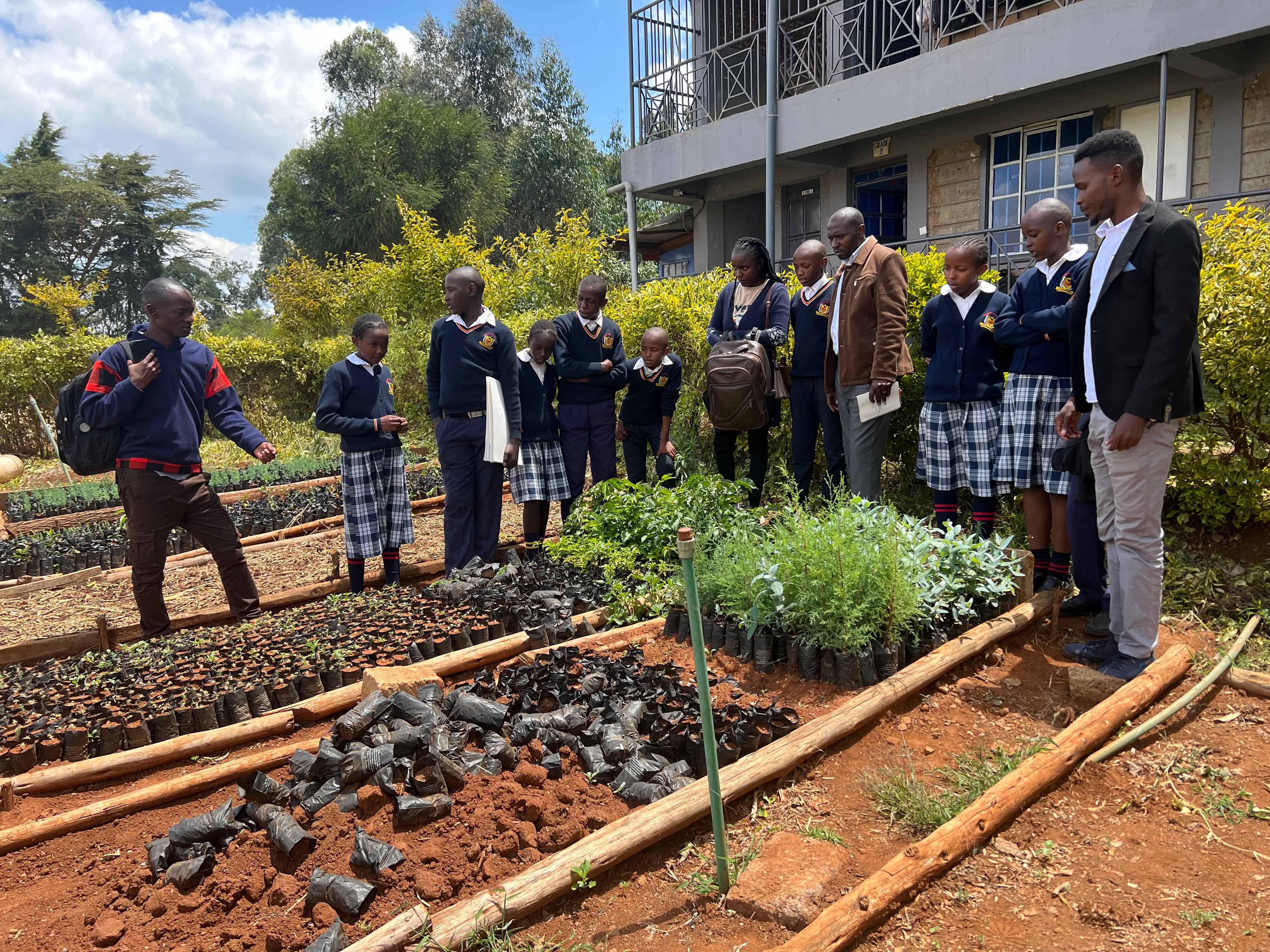
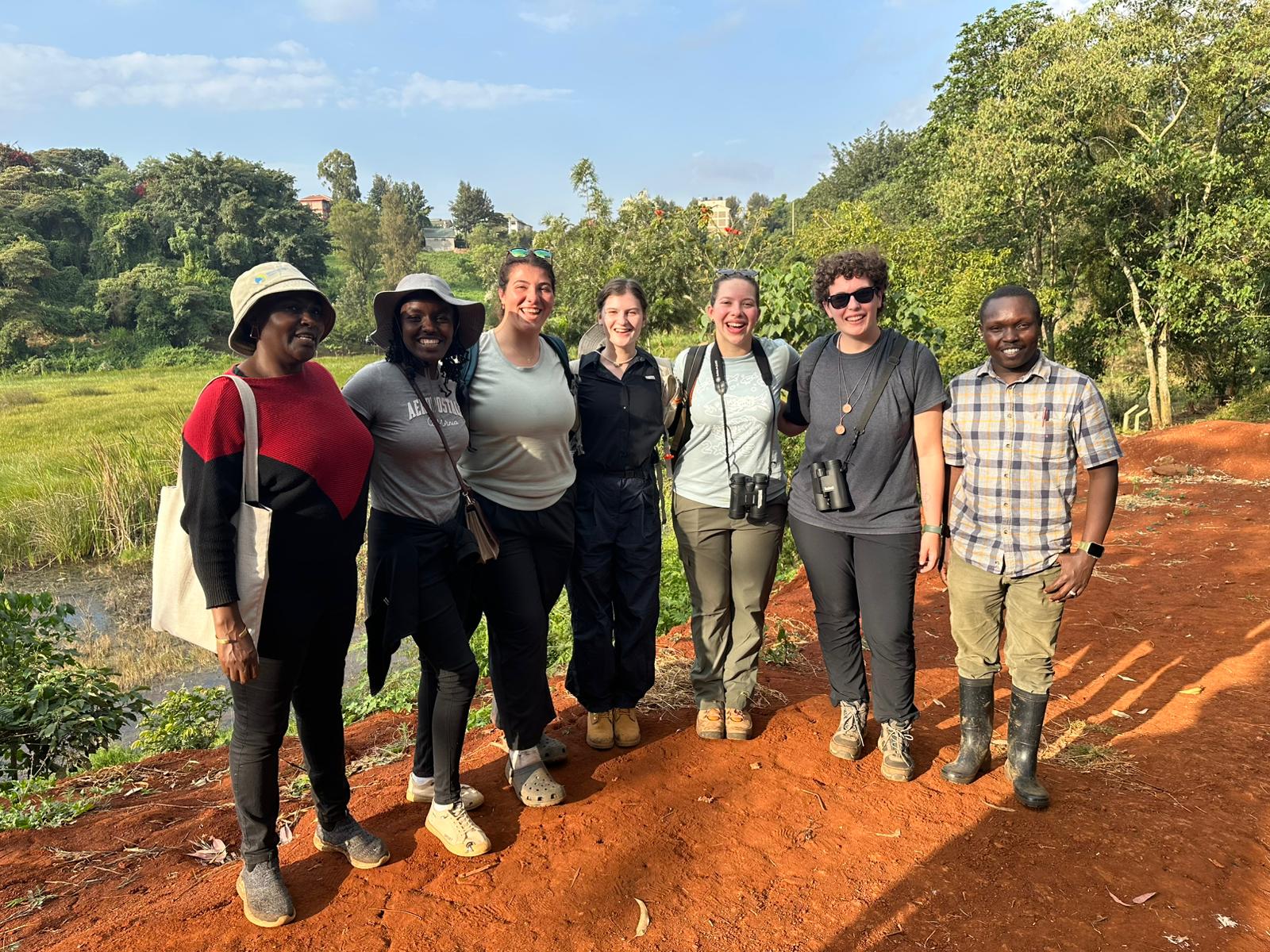
2 Photos


Promote Environmental Literacy: Improve environmental knowledge among students in rural and underserved communities across Africa by integrating practical environmental education and awareness activities in schools
Establish School Environmental Clubs: Support the creation and strengthening of Environmental, Wildlife, and Blue Clubs in schools to nurture environmental stewardship and leadership among young learners
Empower Youth and Women Leaders: Build the capacity of youths and women through training and mentorship to lead environmental awareness programs and conservation initiatives within their communities
Strengthen Community Awareness: Increase awareness among local communities about the importance of protecting ecosystems such as rivers, lakes, forests, wildlife habitats, and marine environments.
Encourage Youth-Led Conservation Action: Inspire young people to actively participate in conservation activities such as ecosystem restoration, waste management campaigns, biodiversity protection, and climate action initiatives.
Build Sustainable Environmental Learning Systems: Develop long-term partnerships with grassroots schools and community networks to establish continuous environmental education programs across ACEF’s 14 member countries.
Contribute to Global Sustainability Goals: Support community-driven environmental protection efforts that contribute to the achievement of the United Nations Sustainable Development Goals, particularly SDGs 4, 5, 13, 14, and 15.
Project Partner
Project Partner
Project Partner